How to tell if a window is hurricane proof: 3 Vital Tips
Why Knowing If Your Windows Are Hurricane Ready Matters
How to tell if a window is hurricane proof starts with understanding that no window is truly “proof” against hurricanes—the correct term is “hurricane resistant.” These specialized windows are designed to withstand extreme wind pressure and flying debris, keeping your home’s structure intact when storms hit.
Quick Ways to Identify Hurricane-Resistant Windows:
- Check for permanent labels or etchings – Look in the corner of the glass for manufacturer markings with certification codes like “ASTM E1996” or “Miami-Dade NOA”
- Perform the reflection test – Hold an object up to the glass and look for a double reflection, which indicates laminated glass layers
- Inspect the frame – Hurricane windows typically have reinforced vinyl or aluminum frames (not wood), with heavy-duty locking systems and extra-deep profiles
- Look for a Design Pressure (DP) rating – A rating of 50 or higher indicates hurricane-zone readiness
Hurricane season is here. Do you know if you have hurricane impact windows and doors? When a storm is approaching your home, the last thing you want is to second-guess your windows.
Many homeowners assume their windows offer protection simply because they’re newer or have double panes. But impact-resistant glass requires specific construction—two sheets of glass bonded with a durable plastic interlayer, plus reinforced frames designed to stay intact even when cracked.
The distinction matters. Standard windows can shatter during a storm, allowing wind and rain to enter your home. This creates dangerous interior pressure that can literally blow your roof off. Hurricane-resistant windows, on the other hand, are engineered to hold together upon impact, protecting both your home’s structure and everything inside.
Whether you recently moved into a home or you’re preparing for storm season, verifying your window protection is essential for your family’s safety and your property’s value.
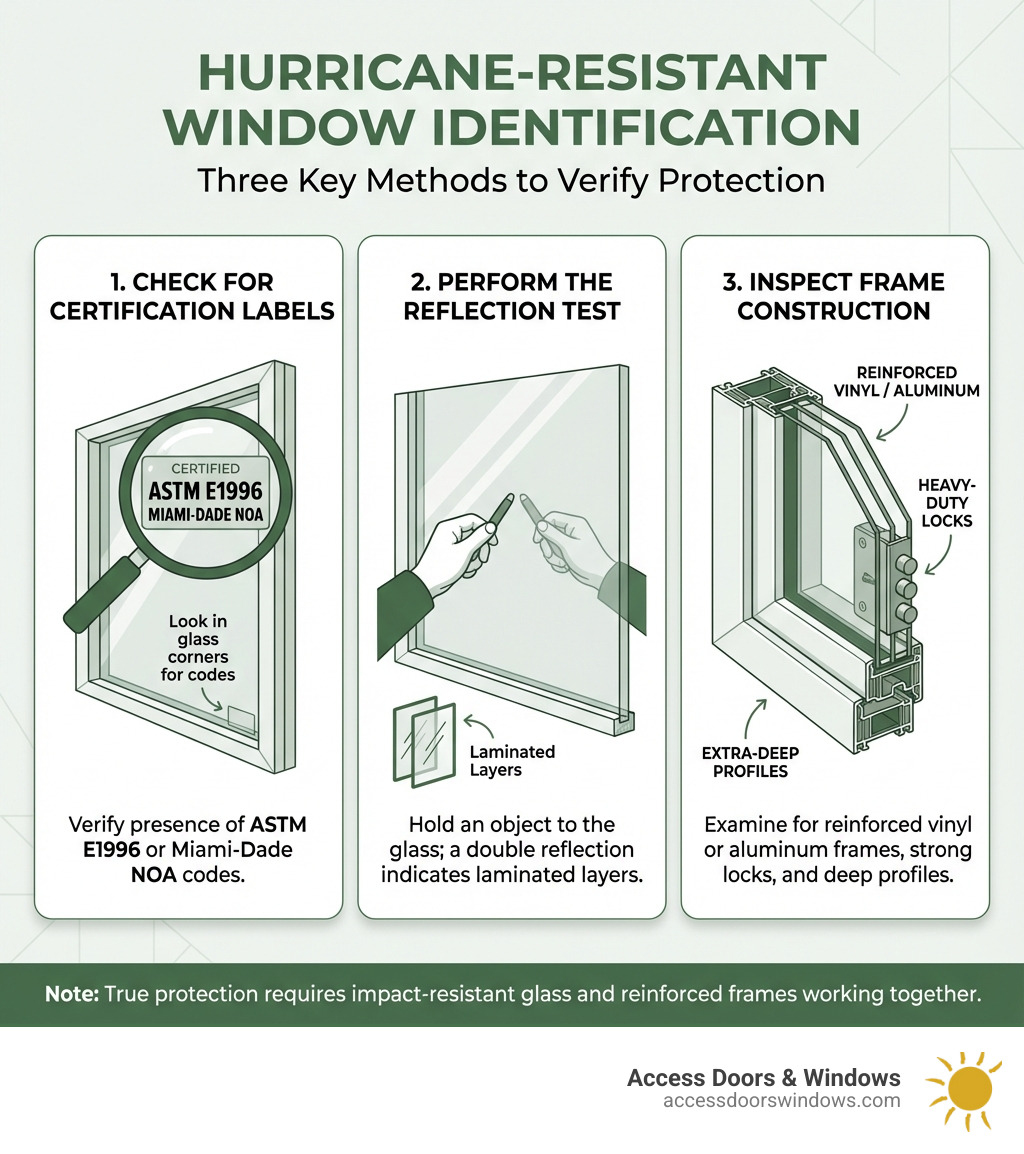
How to tell if a window is hurricane proof terms explained:
Visual Clues: The First Step to Identifying Hurricane Windows
When you’re trying to determine if your windows are ready for hurricane season, the first step is often a visual inspection. Think of it as a little detective work right in your living room! We’re looking for subtle (and sometimes not-so-subtle) signs that differentiate a standard window from a robust, hurricane-resistant one. These visual indicators can give us a strong hint about the protection level your home currently enjoys.
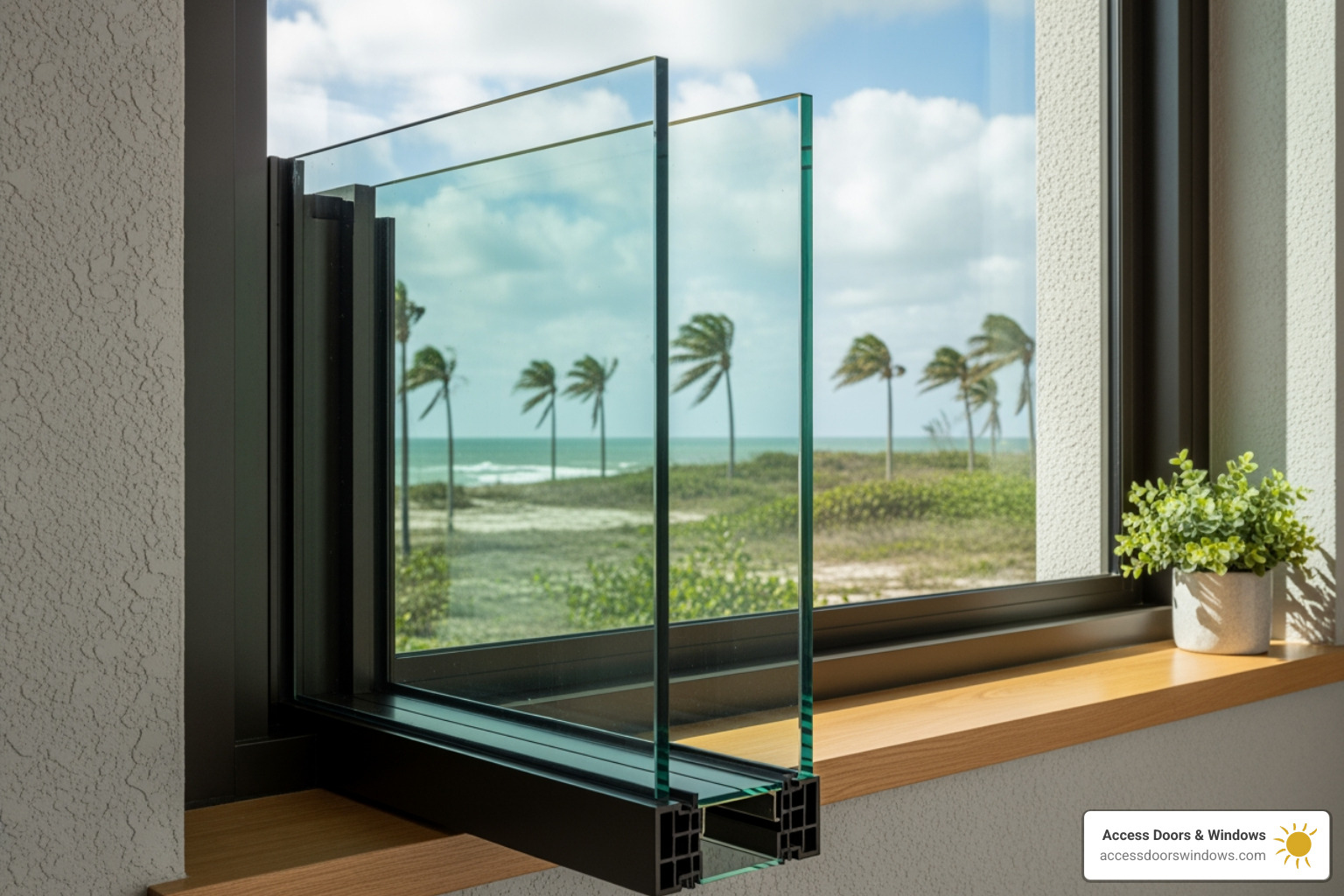
First, let’s talk about the glass itself. Impact-resistant glass is noticeably thicker than standard glass. This isn’t just because it’s stronger, but because it’s typically constructed from two sheets of glass with a durable plastic layer sandwiched in between. This layered construction adds significant bulk.
Next, turn your attention to the window frames. Hurricane-rated windows typically boast heavy-duty frames. You’ll often find these made from reinforced vinyl or aluminum. If your windows have wooden frames, it’s a strong indicator that they are not hurricane-rated, and it might be time for an upgrade, especially if you’re in a storm-prone area of Florida like Fort Myers, Boca Raton, or Broward County. These specialized frames are designed to be extra deep, providing the necessary housing for the thicker, impact-resistant glass. They also feature secure locking systems, often multi-point locks, that help keep the window firmly in place against extreme pressure.
How to tell if a window is hurricane resistant by its markings
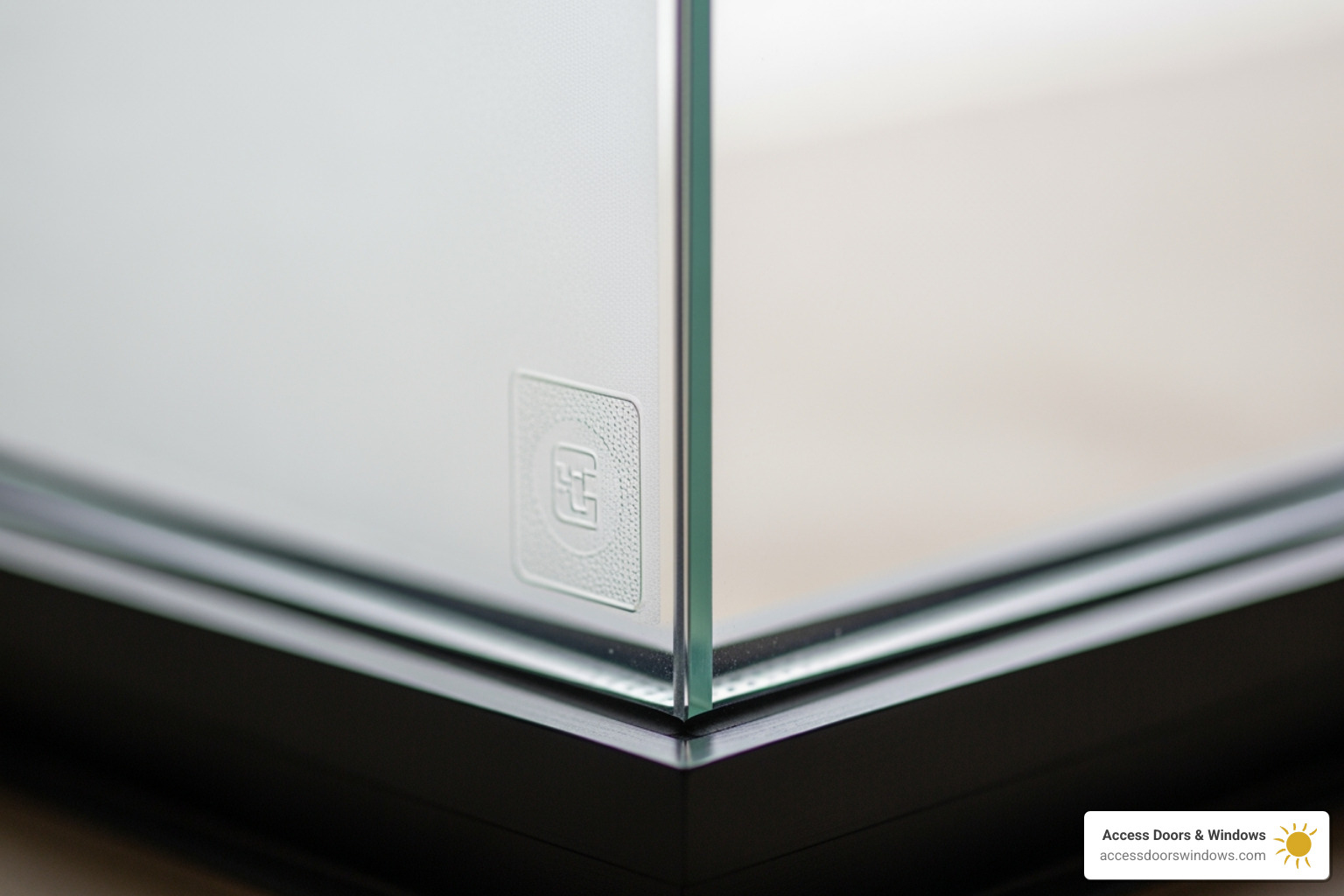
One of the most reliable ways to confirm if you have hurricane-resistant windows is to look for specific markings on the glass itself. We recommend scanning all four corners of your windows first, as many manufacturers place these vital details there. What are we looking for? A small, often frosted, etched label directly in the corner of the glass. This isn’t a sticker that can be peeled off; it’s a permanent mark.
This etching should contain crucial information that acts as your window’s hurricane-ready resume. Look for:
- Supplier’s Name: Identifies the manufacturer.
- Fabrication Place and Manufacturing Date: Tells you where and when the window was made.
- Certification Codes and Standards Met: This is the golden ticket! Look for codes like “ASTM E1996” or “Miami-Dade NOA.” These are critical certifications for hurricane-resistant products in Florida. ASTM E1996, for example, is the standard specification for performance of exterior windows impacted by windborne debris in hurricanes. Miami-Dade Notice of Acceptance (NOA) is a particularly stringent certification, often considered the gold standard in hurricane-prone regions.
- Design Pressure (DP) Rating: This rating indicates the window’s ability to withstand wind pressure. A DP rating of 50 or higher is generally recommended for hurricane zones, providing a clear measure of its resilience.
These markings confirm that your Hurricane Windows have been rigorously tested and meet the necessary safety standards for storm protection. If you find these details, you’re likely looking at a window designed to stand up to a storm.
How to Tell if a Window is Hurricane Resistant Without a Label
What if you’ve searched every corner of your window glass, and there’s no visible label or etching? Don’t worry, all hope is not lost! We have a few clever tricks up our sleeves to help you determine if your windows possess that coveted impact resistance, even without explicit markings.
The Reflection Test: A Window into Laminated Glass
This is one of our favorite methods, and it’s surprisingly effective. Impact-resistant glass is almost always laminated, meaning it consists of two (or more) panes of glass bonded together with a clear plastic interlayer. This construction creates a distinct visual effect.
To perform the reflection test:
- Stand a few feet back from your window.
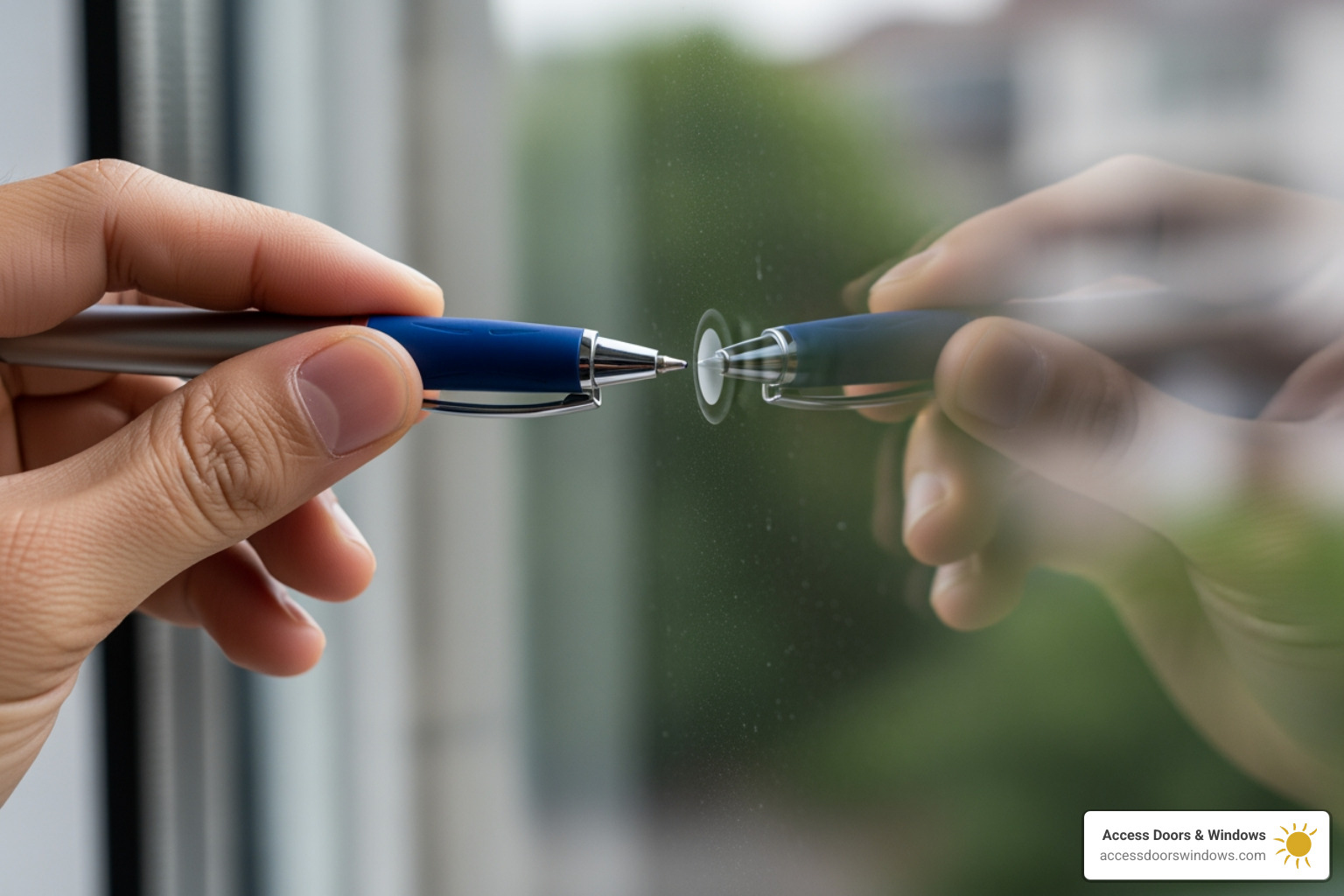
- Hold an object (like a pen or your finger) up to the glass.
- Observe the reflection of that object in the glass.
If you see a double reflection, almost like a faint ghost image slightly offset from the primary reflection, you’re very likely looking at laminated glass. This is because the light is reflecting off both the inner and outer panes of glass. Standard single-pane windows will only show one clear reflection, and even many double-pane (non-impact) windows won’t show this distinct double reflection unless they specifically use laminated glass for impact resistance.
The Tap Test: Listening for Lamination
Another simple, yet telling, method is the “tap test.” This one relies on the sound and feel of the glass.
- Gently tap the glass with your knuckle (don’t use anything hard that could scratch or damage it!).
- Listen to the sound and feel the resonance.
Laminated, impact-resistant glass tends to sound denser and more solid, often producing a duller thud compared to the sharper, more resonant sound of standard single or double-pane glass. This is due to the multiple layers of glass and the plastic interlayer absorbing more of the vibration. It’s a subtle difference, but one that can be quite informative once you know what to listen for.
Inspecting the Frame: Beyond the Glass
Even without glass markings, the window frame itself can reveal a lot. We’ve already touched on materials, but let’s go a bit deeper.
- Heavy-Duty Frames: Look for frames that appear robust and substantial. Hurricane-rated windows use reinforced vinyl, aluminum, or composite materials. These frames are designed to resist bending or cracking under extreme wind pressure.
- Extra-Deep Profiles: The frame will often be deeper than standard windows to accommodate the thicker, laminated glass.
- Secure Locking Systems: Examine the locking mechanisms. Impact windows frequently feature multi-point locking systems, meaning they lock in several places along the sash, providing superior security and sealing against the frame. This minimal frame flex is a key indicator of their strength.
If you observe these characteristics—a double reflection, a dense sound when tapped, and heavy-duty, multi-point locking frames—you have a good indication that your Impact Windows are indeed hurricane-resistant. If you’re still unsure, especially if you didn’t install them yourself, we always recommend consulting with a professional.
Understanding the Technology Behind Hurricane-Resistant Windows
Now that we’ve covered how to spot hurricane-resistant windows, let’s peel back the layers (literally!) and understand the ingenious technology that makes them so effective. It’s not just about thicker glass; it’s about smart engineering designed to keep your home safe.
The core of a hurricane-resistant window lies in its laminated glass construction. Imagine the windshield of your car – it’s designed to crack into a spiderweb pattern upon impact, but largely stay in one piece, preventing shards from flying into the vehicle. Hurricane windows work on a very similar principle. They are typically made with two or more pieces of heat-treated glass bonded together with a thin, yet incredibly strong, plastic membrane in between. This membrane is often made from materials like polyvinyl butyral (PVB) or ionoplast polymer (SGP).
How Impact Windows Work to Protect Your Home
Here’s the magic: when flying debris (like a tree branch or a piece of roofing) strikes a hurricane-resistant window, the outer layer of glass may crack or even shatter. However, the resilient plastic interlayer holds all those glass fragments firmly in place. This prevents the glass from breaking apart and creating a large opening in your home.
Why is this so crucial? The primary purpose of Hurricane Resistant Windows is to protect your home’s structural integrity. If a standard window breaks during a hurricane, it creates an opening that allows wind and rain to rush into your home. This sudden influx of air can cause a dangerous increase in internal pressure, which, combined with the external pressure of the hurricane-force winds, can literally push your roof off or cause walls to buckle. This phenomenon is known as “building pressurization,” and it’s a major cause of catastrophic damage during a storm.
By keeping the building envelope intact, even if the glass is cracked, hurricane-resistant windows:
- Prevent Wind and Rain Entry: They act as a barrier, keeping the elements out and protecting your home’s interior from water damage.
- Maintain Structural Integrity: By preventing pressurization, they help keep your roof and walls from failing, significantly reducing the overall damage to your home.
- Improve Safety: They prevent dangerous sharp glass fragments from flying into your home, protecting occupants.
In addition to the laminated glass, the frames of these windows also play a vital role. As we discussed, they are constructed from heavy-duty, reinforced materials like aluminum or vinyl, and feature secure locking systems. This robust frame ensures that even if the glass takes a hit, the entire window unit remains securely in its opening, fulfilling its protective function. This comprehensive design—from the glass layers to the frame and locking mechanisms—is what makes these windows a formidable defense against Florida’s powerful storms.
Decoding Certifications and Regional Requirements
Understanding the technology behind hurricane windows is one thing, but knowing what specific certifications and regional requirements your windows need to meet is another. Especially here in Florida, where hurricane activity is a serious concern, building codes are among the strictest in the nation. We know it can feel like navigating a maze of acronyms and numbers, but we’re here to help clarify what truly makes a window hurricane-ready.
Building Codes and Regional Mandates
In Florida, building codes play a critical role in mandating hurricane protection. If you live in a coastal state affected by hurricanes, your state and county building codes may require you to install hurricane-proof windows or doors during new construction or by a certain year. For instance, the Florida Building Code (FBC) requires windows to be impact-resistant or protected if located within one mile of the coast where the wind speed is 110 mph or greater.
Even more stringent are the requirements for specific areas known as High Velocity Hurricane Zones (HVHZ), which include Miami-Dade and Broward Counties. In these regions, homes built after 2002 are typically required to have hurricane-rated openings. This means every exterior opening, including windows and doors, must be protected against wind-borne debris. If you’re building a new home or undertaking a major renovation in areas like Fort Myers, Boca Raton, or other parts of Palm Beach, Lee, Charlotte, Pinellas, Hillsborough, Manatee, or Sarasota Counties, you’ll need to ensure your windows meet these rigorous standards.
How to tell if a window is hurricane resistant using official ratings
To verify that your windows comply with these codes, we look for specific test standards and certifications:
- ASTM E1996 and ASTM E1886: These are the national standards for hurricane performance.
- ASTM E1996 is the standard specification for performance of exterior windows, curtain walls, doors, and impact protective systems impacted by windborne debris in hurricanes. It sets the criteria for how well a window can withstand debris impact.
- ASTM E1886 is the standard test method for performance of exterior windows, curtain walls, doors, and impact protective systems impacted by missile(s) and exposed to cyclic pressure differentiation. This test involves both missile impact and simulating the constant push and pull of hurricane-force winds.
- Miami-Dade Notice of Acceptance (NOA): This is one of the most respected and stringent certifications in the country, particularly within Florida. Products with a Miami-Dade NOA have undergone the toughest test protocols for wind-borne debris, air, and water. If your windows have this certification, you can be confident in their performance.
- Florida Product Approval System: This system covers products affecting structural integrity, including windows, ensuring they are approved for use across the state.
- Design Pressure (DP) Rating: This rating indicates the window’s ability to withstand wind pressure, both positive (pushing in) and negative (pulling out). Most hurricane impact windows are designed and tested to withstand Category 5 hurricanes, the highest classification on the Saffir-Simpson hurricane scale. This means they can resist wind speeds over 157 mph and the violent debris that often comes with it. A higher DP rating indicates greater resistance. For example, a DP rating of 50 or higher is recommended for hurricane zones, and every ten points on the DP rating is roughly equivalent to one hurricane level.
- Missile Impact and Cyclic Pressure Tests: These are the real-world simulations that windows must endure. The missile impact test involves shooting a 9-pound 2×4 at the glass at speeds of 34-50 mph. The cyclic pressure test then simulates thousands of wind gusts pushing and pulling on the window. For a window to be certified, it must remain intact and prevent missile penetration.
If you didn’t install your windows yourself, verifying their rating can be done by looking for the etched codes, checking your home’s building permit history (especially if they were recently replaced), or asking your builder or a qualified window installer for documentation. We, at Access Doors & Windows, specialize in installing Impact Windows for Hurricane Protection and are well-versed in all Florida-specific codes and certifications, including those for PGT Windows & Doors and CGI Windows, two brands we are authorized to install.
Frequently Asked Questions about Hurricane Windows
We often hear many questions from homeowners in Florida about their windows, especially as hurricane season approaches. Let’s tackle some of the most common misconceptions and clarify what you need to know.
What’s the difference between ‘hurricane proof’ and ‘hurricane resistant’ windows?
This is a crucial distinction, and one we encounter frequently. The term “hurricane proof” is actually a bit of a misnomer, or as we like to say, “a bit of a tall tale.” No window, no matter how strong, can be truly “proof” against every conceivable force a hurricane can release. The sheer power of a Category 5 hurricane, with wind speeds exceeding 157 mph, is immense, and while windows are designed to withstand significant impact, they are not indestructible.
The accurate and industry-accepted term is “hurricane resistant” or “impact-resistant” windows. These windows are engineered to resist penetration from flying debris and to remain intact within their frames during high winds. Even if the glass cracks or shatters upon impact, the laminated interlayer holds the glass fragments together, preventing a breach in your home’s envelope. This prevents the dangerous pressurization that can lead to catastrophic structural failure, like your roof being lifted off. So, while they might not look pristine after a direct hit, their job is to keep the wind and rain out and your home’s structure safe.
Are double-pane windows automatically hurricane resistant?
This is a very common misconception, and it’s important to clear it up. Many homeowners mistakenly believe that because their windows have two panes of glass, they are inherently hurricane-proof. While double-pane windows are excellent for energy efficiency—they help insulate your home, keeping the cool air in during our hot Florida summers and reducing your energy bills—they are not automatically hurricane-resistant.
Standard double-pane windows typically consist of two panes of glass separated by an air or gas-filled space. If a piece of debris hits such a window with sufficient force, both panes can shatter, creating an opening in your home. For a double-pane window to be considered hurricane-resistant, it must incorporate a laminated interlayer within its construction, usually between the two panes, and be housed in a reinforced, hurricane-rated frame. Without that specific laminated interlayer and the robust frame, double-pane windows, despite their energy-saving benefits, will not provide the necessary impact protection required in hurricane zones.
Can I make my regular windows hurricane resistant?
We often get asked if there’s a simple way to upgrade existing, non-hurricane-rated windows to withstand a storm. Unfortunately, the short answer is generally no, not in a way that provides certified hurricane protection.
While products like window films or laminates are available, they are typically designed for security (to make glass harder to break into) or to hold glass shards together upon breakage, but they do not provide the certified impact resistance needed for hurricane protection. They won’t prevent the entire window unit from failing under extreme wind pressure or a direct hit from large debris.
True hurricane-resistant windows are a complete system: they are designed from the ground up with specialized laminated glass, heavy-duty, reinforced frames (often aluminum or reinforced vinyl), and secure locking mechanisms. The entire unit is tested together to meet stringent building codes. Retrofitting an existing window with films or other aftermarket products simply cannot replicate this engineered system.
In storm-prone areas of Florida, the safest and most reliable option is to replace your existing, non-rated windows with certified Hurricane Impact Windows. This ensures your home has the robust protection it needs, giving you peace of mind when the storms roll in. Trying to “DIY” hurricane resistance with uncertified methods can leave your home vulnerable and potentially void your insurance coverage.
Conclusion
Navigating hurricane windows can seem daunting, but knowing how to tell if a window is hurricane proof is a critical step in safeguarding your home and loved ones here in Florida. We’ve explored the key identification methods, from deciphering those cryptic etched labels and performing simple reflection tests, to understanding the robust construction of laminated glass and reinforced frames.
The term “hurricane resistant” is the accurate one, highlighting that these windows are designed to withstand extreme forces and protect your home’s structural integrity, even if the glass takes a hit. We’ve also clarified that not all double-pane windows offer hurricane protection and that modifying regular windows is not a substitute for certified impact-resistant installations.
The benefits of having certified hurricane-resistant windows extend far beyond storm protection. They offer improved security against forced entry, significantly reduce outside noise, block harmful UV rays (with some blocking up to 99.7% of UV light, protecting your furnishings from fading), and contribute to your home’s energy efficiency. What’s more, they can even lead to potential insurance discounts, making them a wise investment for any Florida homeowner.
If you’re still unsure about your windows’ hurricane readiness, or if you’ve determined that an upgrade is needed, don’t hesitate to reach out. For a professional evaluation in Florida, the experts at Access Doors & Windows are here to help. As a USA Military Family-owned business, we specialize in installing energy-efficient, code-compliant, hurricane impact-resistant windows and doors from trusted brands like PGT and CGI. We serve homeowners across Fort Myers, Deerfield Beach, Boca Raton, and all surrounding counties, providing ultimate hurricane protection with a focus on customer satisfaction and no high-pressure sales tactics.
Ensure your home is protected by investing in professionally installed hurricane proof windows that meet Florida’s stringent building codes. Give us a call today, and let’s get your home hurricane ready!