Palm Beach County homeowners face one of the most stringent building permit processes in Florida. Nearly 30% of initial impact window permit applications receive requests for additional information or outright rejection, creating delays that can extend projects by weeks or even months. Understanding why these rejections happen—and how to avoid them—can save you significant time, money, and frustration.
The consequences of permit rejection extend beyond simple delays. Projects may sit in limbo while contractors wait for approval, leaving your home partially completed and vulnerable during hurricane season. In some cases, improperly permitted work can lead to insurance claim denials, code enforcement actions, and complications when selling your property.
Understanding Palm Beach County’s Rigorous Permit Standards

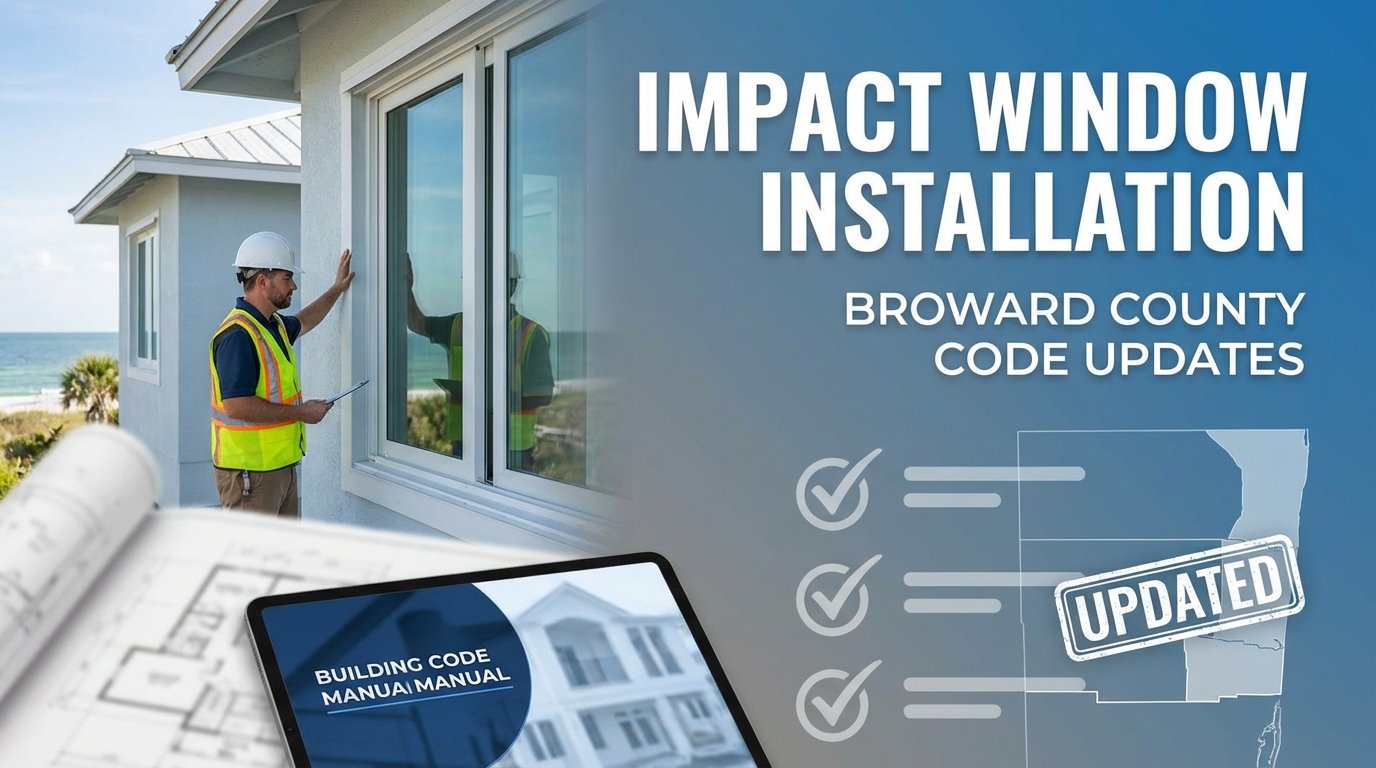
Palm Beach County maintains particularly strict building codes due to its hurricane vulnerability and history of catastrophic storm damage. The county’s Building Division operates under the Florida Building Code but adds specific local amendments that reflect regional risk factors. These enhanced requirements aim to protect residents but create a complex regulatory environment that catches many homeowners and even inexperienced contractors off guard.
Unlike less stringent jurisdictions, Palm Beach County reviews every detail of impact window installations, from product specifications to installation methods. Inspectors receive extensive training on hurricane protection systems and can identify non-compliant products or installation plans immediately. This thoroughness serves an important purpose—ensuring your family’s safety during a Category 5 hurricane—but demands meticulous preparation from contractors.
The Most Common Reasons for Impact Window Permit Rejection
Missing or Invalid Notice of Acceptance (NOA) Documentation
The single most common reason for Palm Beach County impact window permits rejection involves Notice of Acceptance documentation. Every impact-resistant product installed in Florida must have a valid NOA from the Florida Building Commission, but simply having an NOA isn’t enough. The NOA must specifically match the product being installed, including exact model numbers, sizes, configurations, and installation requirements.
Many permit applications fail because contractors submit NOAs that don’t precisely match the proposed windows or doors. For example, a contractor might specify a window with a different frame depth, glazing configuration, or mounting method than what the NOA covers. Even minor discrepancies trigger rejection. The NOA must also remain current and not expired—something that occasionally happens when contractors reference older product lines.
Quality manufacturers like PGT, CGI, and ES Windows maintain detailed NOA databases, but verifying the correct documentation requires expertise. When working with these industry-leading manufacturers, professional contractors ensure that every window, impact door, and custom impact glass garage door specified in the permit application precisely matches approved NOA parameters.
Incomplete Structural Engineering Documentation
Florida building permit rejection often occurs when structural engineering calculations are missing, incomplete, or inadequately stamped by a licensed professional engineer. Impact windows and doors place different structural loads on buildings than standard products. The additional weight of laminated glass, reinforced frames, and enhanced anchoring systems requires verification that existing wall structures can support these loads.
Palm Beach County requires sealed engineering documents for most impact window installations, particularly for older homes built before current code requirements or properties in high-velocity hurricane zones. These documents must show load calculations, anchor spacing requirements, and structural adequacy. Applications lacking proper engineering stamps from Florida-licensed professionals face automatic rejection.
The engineering requirements become even more complex for large openings such as sliding glass doors and custom impact glass garage doors. These installations may require additional structural reinforcement, and the engineering documents must clearly specify any necessary modifications to headers, jambs, or surrounding structures.
Installation Method Conflicts with Approved Testing
Impact-resistant products receive their NOAs based on specific installation methods used during testing. When contractors propose installation techniques that deviate from these tested methods, building code compliance windows requirements aren’t met, and permits get rejected. This issue frequently arises with anchoring specifications, flashing details, and sealant applications.
For example, if the NOA specifies anchor placement every 12 inches but the permit drawings show 16-inch spacing, the application will be denied. Similarly, if the approved product requires a particular type of structural sealant but the permit lists a different product, inspectors will catch the discrepancy. These details matter enormously during hurricane conditions when every connection point must perform exactly as tested.
Insufficient Product Specification Details
Vague or incomplete product specifications represent another frequent cause of permit inspection failures. Applications must include comprehensive details about every component: frame materials, glass thickness and composition, glazing spacer specifications, hardware types, and finish colors. Palm Beach County reviewers need enough information to verify that proposed products meet or exceed code requirements for design pressure ratings, missile impact resistance, and water infiltration standards.
Generic descriptions like “impact-resistant windows” or “hurricane doors” provide inadequate information. Successful applications specify exact product lines, such as “PGT WinGuard Aluminum Series with 9/16-inch laminated LoE 366 glass” or “CGI Sentinel Plus impact-rated sliding glass door system.” This specificity allows reviewers to quickly verify NOA compliance and code conformance.
Improper Site Plan and Elevation Drawings
Accurate site plans and elevation drawings form the foundation of any successful permit application. Palm Beach County requires drawings that clearly show the location of every window and door, with opening dimensions, header heights, and installation details. Incomplete drawings, incorrect measurements, or unclear annotations lead to rejection.
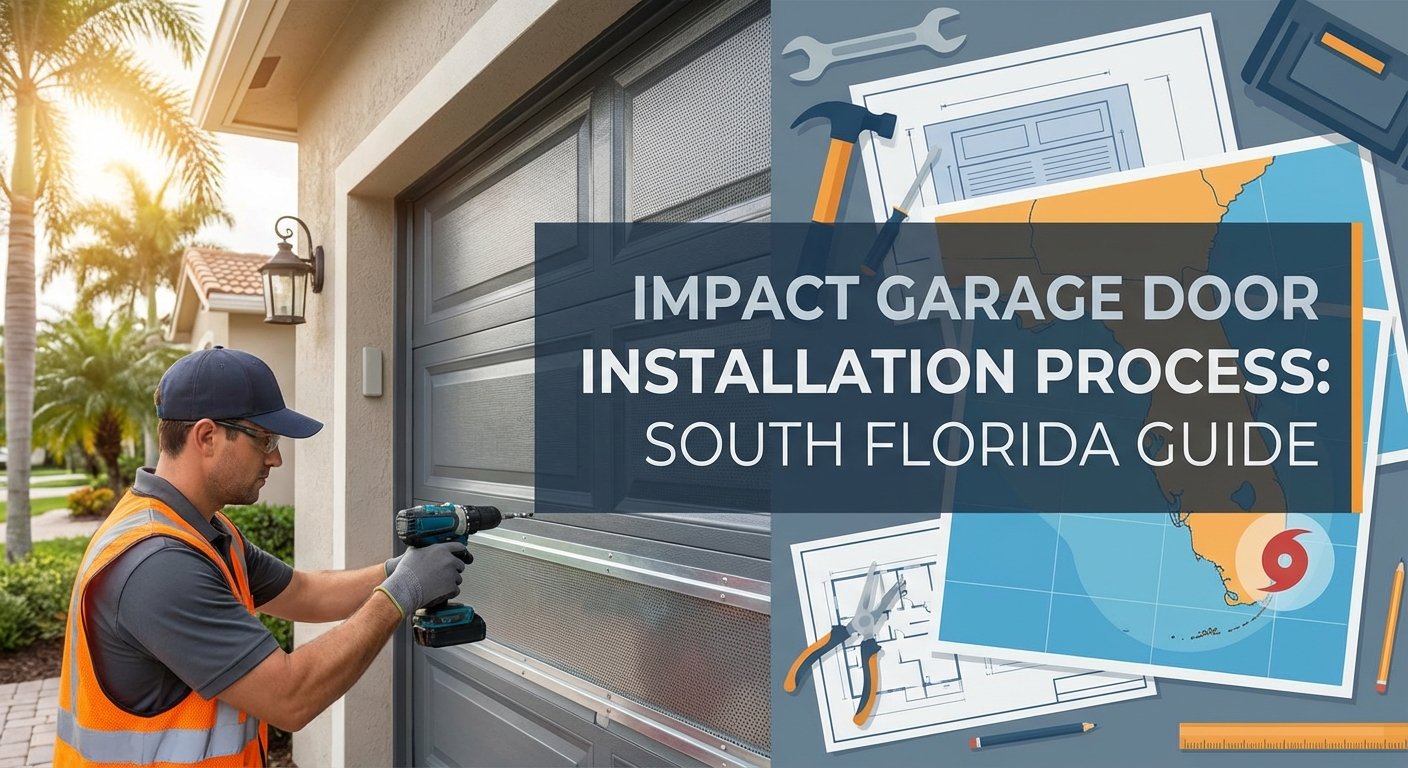
Many homeowners don’t realize that even replacement window projects require detailed drawings. The county needs to verify that new impact-resistant products fit properly within existing openings and that any modifications comply with structural and fire safety codes. For custom impact glass garage doors, drawings must show how the product integrates with garage door tracks, operators, and emergency release mechanisms.
Florida Building Code Compliance Requirements Specific to Palm Beach County
Palm Beach County falls within Florida’s High Velocity Hurricane Zone (HVHZ) for some coastal areas, imposing the state’s most demanding standards. Even properties outside the HVHZ face rigorous requirements that exceed basic Florida Building Code minimums. Impact windows and doors must withstand design pressures often ranging from 40 to 70 pounds per square foot, depending on building height, exposure, and distance from the coast.
The county requires products to pass both large missile impact testing (using an eight-foot two-by-four projectile) and cyclic pressure testing that simulates sustained hurricane winds. Additionally, products must maintain their structural integrity and prevent water infiltration throughout testing. These performance requirements eliminate many budget-grade products from consideration and demand careful product selection.
For garage doors, the standards become particularly complex. Standard garage doors offer minimal protection during hurricanes, which is why custom impact glass garage doors have gained popularity in Palm Beach County. These specialized products must meet the same impact and pressure requirements as windows while accommodating the mechanical operation and larger spans typical of garage openings.
The Role of Professional Licensing in Permit Approval
Palm Beach County scrutinizes the credentials of contractors submitting permit applications. Applications must come from properly licensed contractors—either state-certified or locally licensed—with qualifications appropriate to the scope of work. Working with unlicensed contractors or those holding inappropriate license classifications virtually guarantees permit rejection and creates legal liability for homeowners.
A Florida Certified General Contractor possesses the broadest scope of authority for impact window and door installations, particularly when structural modifications are necessary. These contractors can coordinate all aspects of complex projects, from engineering to final inspection. Their applications receive greater scrutiny but also greater deference when documentation demonstrates proper expertise.
The contractor’s license number must appear on all permit documents, and the county verifies that licenses remain active and in good standing. Any history of code violations or permit problems can trigger additional review of new applications. This system protects homeowners but underscores the importance of selecting established, reputable contractors.
How Professional Contractors Prevent Permit Rejection
Experienced contractors specializing in impact protection systems develop systematic approaches to permit applications that minimize rejection risk. These professionals maintain current NOA libraries for products from trusted manufacturers like PGT, CGI, ES Windows, Hurricane Master, Therma-Tru, Lawson, Amarr, and Clopay. They understand Palm Beach County’s specific requirements and have established relationships with building department staff.
Quality contractors conduct thorough pre-installation assessments, measuring openings precisely and evaluating structural conditions. They coordinate with licensed engineers when calculations are required and ensure that all documentation receives proper stamps and seals. Their permit packages include comprehensive product specifications, detailed installation drawings, and complete NOA documentation—everything reviewers need to grant approval on the first submission.
Professional installation expertise proves equally critical after permit approval. Inspectors verify that installation matches approved drawings and follows manufacturer specifications exactly. Contractors who cut corners during installation face failed inspections and potential permit revocation, leaving homeowners with non-compliant installations that compromise both safety and insurance coverage.
The Impact of Permit Rejection on Your Project Timeline
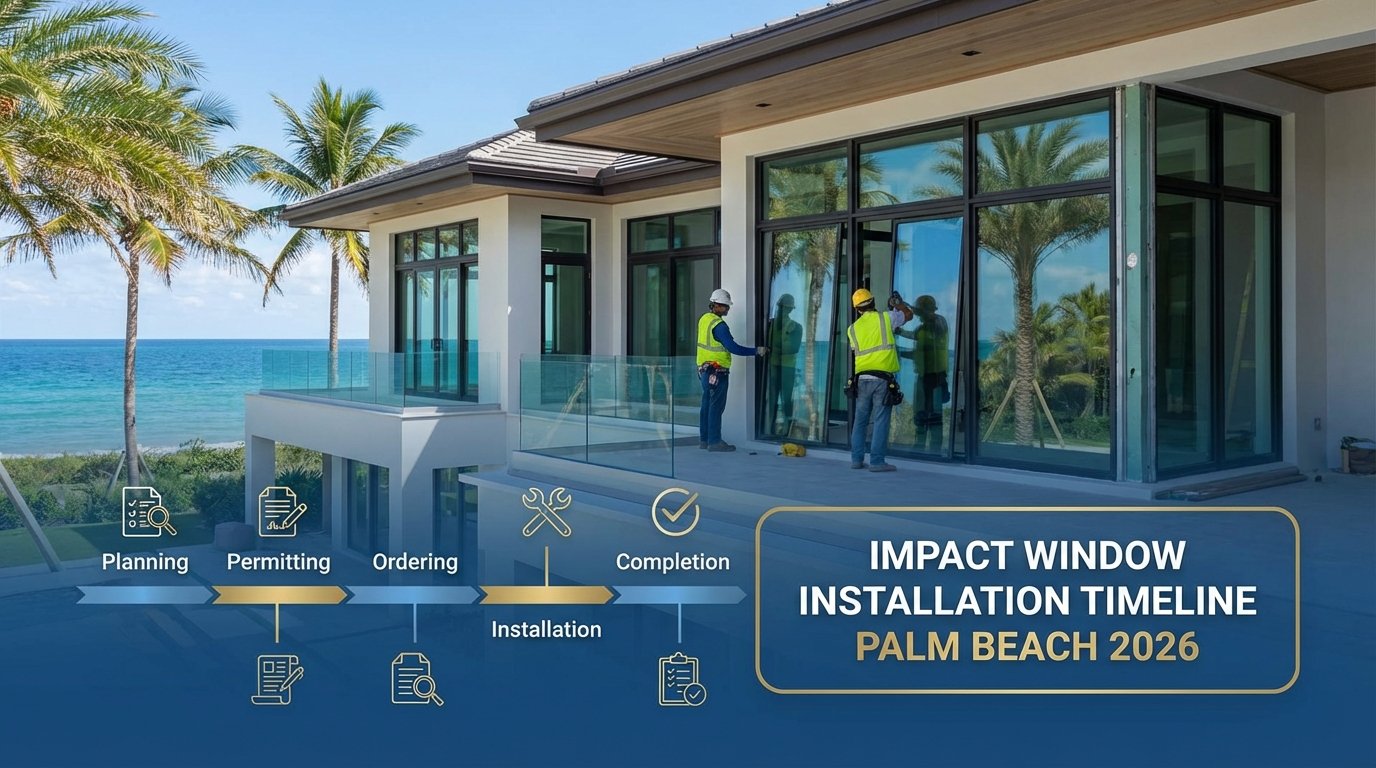
When Palm Beach County rejects an impact window permit application, the correction and resubmission process typically adds three to six weeks to your project timeline. The contractor must identify and correct deficiencies, gather missing documentation, revise drawings, and resubmit for review. Each resubmission enters the review queue again, extending delays further during busy permit periods.
These delays prove particularly problematic as hurricane season approaches. Homeowners planning to complete impact window installations before June 1st must factor in permit approval timelines. Starting the permit process too late or experiencing rejection can leave homes unprotected when storms threaten. Smart homeowners begin the permit process at least 12 weeks before desired installation dates, allowing buffer time for potential complications.
Protecting Your Investment Through Proper Permitting
Proper permitting protects more than regulatory compliance—it safeguards your family and financial investment. Impact windows and doors represent significant expenditures, often $15,000 to $50,000 or more for complete home protection. Unpermitted or improperly permitted work creates risks that far outweigh any imagined savings from cutting corners.
Insurance companies increasingly verify permit compliance before paying claims. After a hurricane, adjusters may deny claims if they discover that impact protection systems were installed without proper permits or don’t meet code requirements. Similarly, unpermitted work can derail real estate transactions, as title searches and inspections reveal permit discrepancies that buyers and lenders won’t overlook.
Beyond financial considerations, proper permitting ensures that products are installed correctly and will perform as designed when hurricanes strike. The permit and inspection process provides quality control that protects your family during life-threatening storms. This peace of mind justifies the time and attention required to navigate Palm Beach County’s demanding permit process.
Taking the Next Step Toward Hurricane Protection
Navigating Palm Beach County impact window permits doesn’t have to be overwhelming when you work with experienced professionals who understand the process thoroughly. A qualified contractor handles permit complexities while you focus on selecting the right products for your home’s protection, energy efficiency, and aesthetic preferences.
Military-family-owned contractors with decades of South Florida experience bring invaluable local knowledge to every project. They understand regional building requirements across Palm Beach, Broward, Martin, Lee, Charlotte, and Collier counties. Their established relationships with quality manufacturers ensure access to properly documented products that meet all code requirements.
Whether you’re considering impact windows, impact doors, or custom impact glass garage doors, starting with a thorough assessment and professional guidance sets your project up for success. Don’t let permit rejection delays leave your home vulnerable during hurricane season. Contact a Florida Certified General Contractor specializing in impact protection to discuss your project and ensure a smooth permit approval process from start to finish.