Deciding to protect your South Florida home with impact doors is an important investment in safety, security, and value. Understanding what happens during the installation process helps homeowners prepare properly and ensures the project runs smoothly from start to finish. Whether you’re upgrading entry doors, installing custom impact glass garage doors, or replacing multiple access points throughout your property, knowing what to expect removes uncertainty and builds confidence in your decision.
Initial Consultation and Assessment
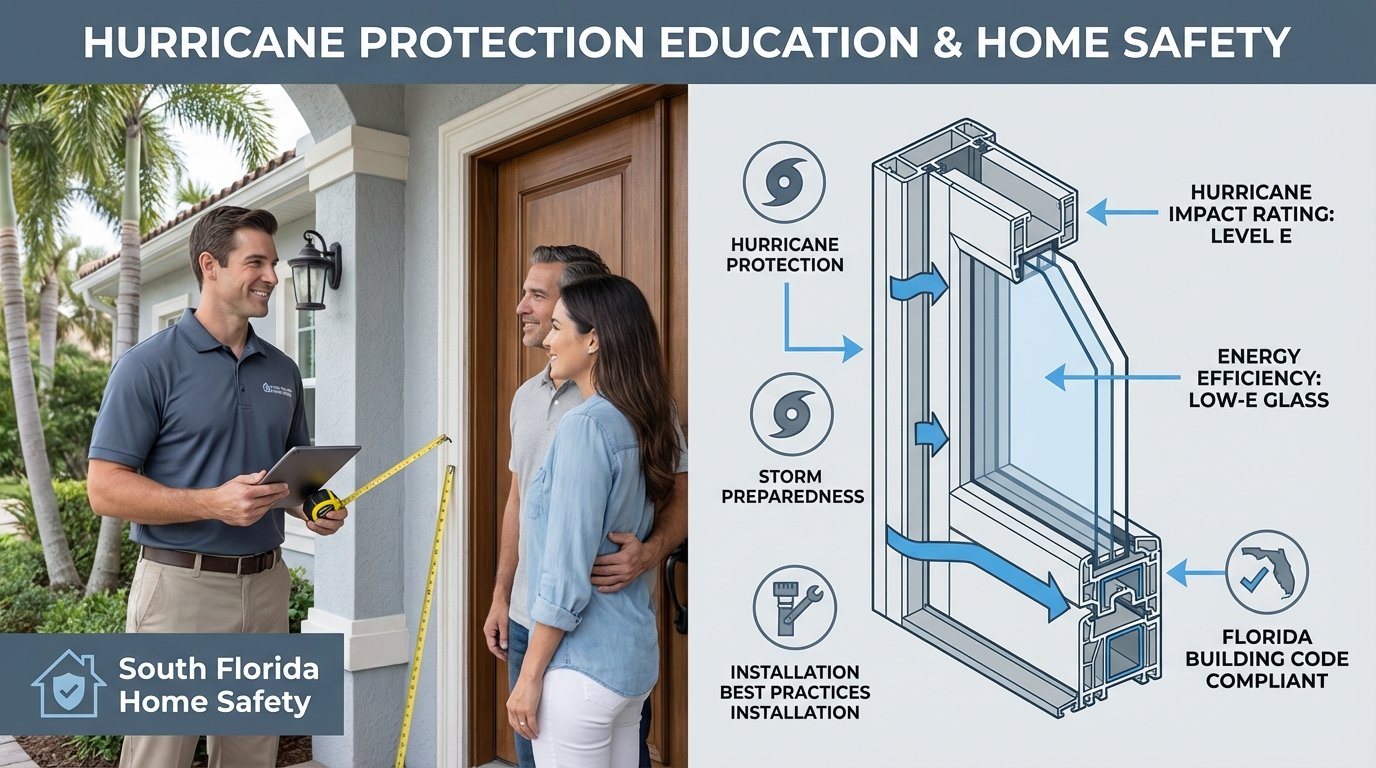
The impact door installation process begins with a comprehensive evaluation of your property’s specific needs. A qualified contractor will visit your home to assess existing door openings, measure precisely, and discuss your priorities regarding hurricane protection, energy efficiency, aesthetics, and budget considerations.
During this consultation, experienced professionals examine the structural condition of door frames, surrounding walls, and load-bearing components. In Palm Beach and Broward County homes built before stricter Florida Building Code requirements, additional reinforcement may be necessary to support modern impact-resistant systems. This assessment identifies any underlying issues that could affect installation quality or long-term performance.
Homeowners should discuss their lifestyle needs during this phase. Families with children might prioritize enhanced security features. Properties near busy roads benefit from the noise reduction impact doors provide. Those concerned about rising insurance premiums can learn how proper documentation of impact door installation qualifies them for significant discounts from most Florida carriers.
Product Selection and Engineering
Choosing the right impact doors involves balancing performance requirements with aesthetic preferences. Industry-leading manufacturers like PGT, CGI, ES Windows, Hurricane Master, Therma-Tru, Lawson, Amarr, and Clopay offer diverse options meeting Florida’s stringent wind load and missile impact requirements.
Impact doors must withstand wind pressures exceeding 150 mph in most South Florida coastal zones. Products undergo rigorous testing where large and small missiles are launched at hurricane-force speeds to verify the glazing system remains intact. The interlayer bonding process in impact-resistant glass keeps dangerous shards contained even when broken, protecting your family from flying debris during severe weather events.
Entry door selection includes various materials—fiberglass, steel, aluminum, and wood composites—each offering distinct advantages. Fiberglass doors resist South Florida’s humidity without warping, while steel options provide maximum security. Custom impact glass garage doors have become increasingly popular, combining hurricane protection with natural light transmission and contemporary curb appeal.
Engineering calculations determine appropriate door specifications based on your property’s wind zone classification, opening size, and exposure category. Florida Certified General Contractors ensure these calculations comply with current building codes and obtain necessary permits before fabrication begins.
Permitting and Documentation
Legitimate impact door installation in South Florida requires proper permitting through local building departments. This critical step protects homeowners by ensuring installations meet structural and safety standards while providing documentation insurance companies need to process premium reductions.
The permitting process typically takes one to three weeks, depending on municipality workload and project complexity. Contractors handle submission of engineering drawings, product specifications, and compliance documentation. Never work with installers who suggest skipping permits to save time or money—unpermitted work jeopardizes your insurance coverage, creates liability issues, and complicates future property sales.
Building departments in Palm Beach County, Broward County, and Southwest Florida counties have specific requirements regarding inspection protocols. Understanding these requirements prevents installation delays and ensures your project progresses efficiently.
Pre-Installation Preparation
Once permits are approved and products manufactured, preparation begins several days before scheduled installation. Homeowners receive clear instructions about moving furniture, protecting flooring, and ensuring clear access to work areas.
Professional contractors cover floors with protective materials and establish containment zones to minimize dust and debris spread throughout your home. Interior doors leading to installation areas should remain closed, and HVAC systems may need temporary shutdown to prevent construction particles from circulating through ductwork.
Existing doors remain functional until installation day, maintaining your home’s security and weather protection. Families with pets should arrange temporary containment away from active work zones, as installation involves power tools, frequent movement, and open doorways.
Removal of Existing Doors
Installation day begins with careful removal of existing doors and frames. This phase requires precision to avoid damaging surrounding walls, flooring, and trim. Experienced installers protect finished surfaces while extracting old components and disposing of materials according to local regulations.
Complete frame removal is often necessary when installing impact-rated systems. Unlike simple door replacements, impact door installation demands structural integrity between the new frame and building’s rough opening. Shortcuts during this phase compromise performance and can lead to catastrophic failure during hurricane conditions.
Opening inspections occur after removal, allowing installers to identify hidden damage, water intrusion, or structural deficiencies requiring correction before proceeding. Wood rot around older frames is common in South Florida’s humid climate and must be remediated to ensure proper anchoring of new systems.
Structural Reinforcement and Frame Installation
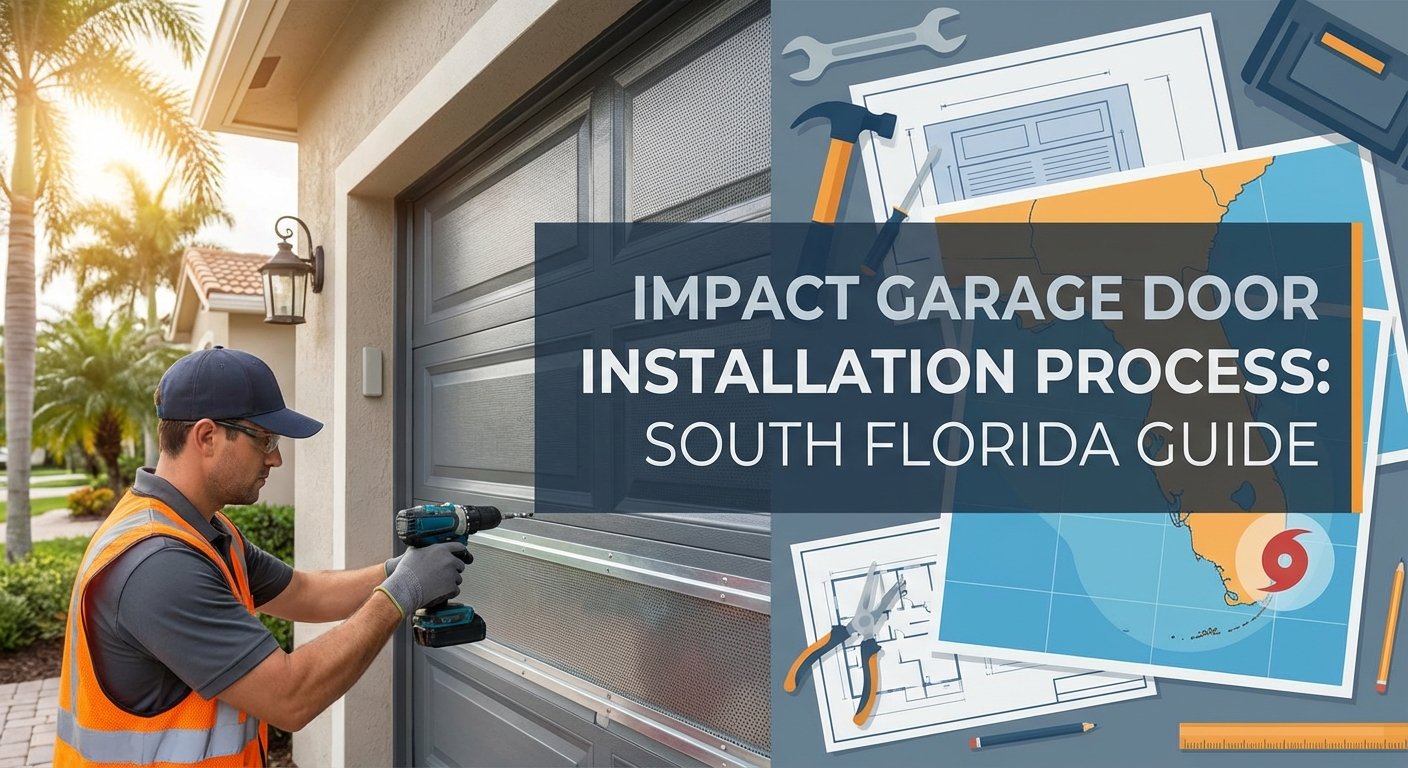
Impact door frames require substantially stronger anchoring than conventional doors. Installation teams use heavy-duty fasteners driven through frames into structural members at specified intervals, creating the robust connection necessary to resist extreme wind loads.
Building codes specify minimum fastener sizes, spacing, and penetration depths. Florida Certified General Contractors follow manufacturer installation instructions precisely, as deviations void product warranties and may not pass required inspections. This attention to detail distinguishes professional installations from substandard work that appears acceptable but fails when tested by actual storm conditions.
Structural reinforcement sometimes includes adding blocking between wall studs, installing steel reinforcement plates, or upgrading connection hardware. These enhancements distribute stress loads more effectively and prevent frame displacement during high-wind events. Custom impact glass garage doors often require header reinforcement to support the increased weight of laminated glass systems.
Proper shimming and leveling ensures doors operate smoothly throughout their lifespan. Installers use precision levels and laser alignment tools to position frames perfectly plumb and square. Even minor misalignment causes operational issues and accelerates wear on moving components.
Door Installation and Weatherproofing
After frames are secured and inspected, door panels are installed and adjusted for proper operation. Hardware installation includes heavy-duty hinges rated for impact door weights, multi-point locking systems, and flush bolts for double door configurations.
Weatherproofing represents a critical phase often rushed by inexperienced installers. Professional impact door installation includes comprehensive sealing using approved materials that maintain flexibility through South Florida’s temperature fluctuations while preventing water intrusion and air infiltration.
Sealant application follows specific patterns around frame perimeters, with particular attention to vulnerable areas like sill plates and head jambs. Installers verify drainage pathways function correctly, preventing water accumulation that could damage surrounding structures or promote mold growth.
Threshold installation requires careful attention to achieve proper sealing while maintaining accessibility. Modern impact doors incorporate advanced threshold designs that resist water penetration during wind-driven rain without creating tripping hazards or accessibility barriers.
Quality Assurance and Testing
Completed installations undergo thorough testing before final inspection. Installers verify doors open and close smoothly, locks engage properly, and weatherstripping makes continuous contact around entire perimeters. Multi-point locking systems should engage without excessive force, and panic hardware on egress doors must operate freely.
Water testing may be performed by spraying door perimeters while applying air pressure differentials simulating storm conditions. This identifies any sealing deficiencies requiring correction before building inspectors arrive.
Professional contractors provide homeowners with operation demonstrations, explaining proper maintenance procedures and addressing questions about warranty coverage. Understanding how your impact doors function and what maintenance they require helps ensure decades of reliable performance.
Final Inspection and Documentation
Building department inspections verify installations meet permitted specifications and comply with Florida Building Code requirements. Inspectors examine anchoring methods, product labels confirming impact ratings, weatherproofing details, and operational functionality.
Passing inspection generates documentation essential for insurance premium reductions. Certificates of completion and final permits should be retained with your home’s permanent records. Insurance providers typically require copies of these documents when processing discount applications or policy renewals.
Some municipalities require additional inspections by private inspection firms certified to verify high-velocity hurricane zone installations. These third-party inspections provide additional assurance that work meets industry standards and manufacturer specifications.
Timeline Expectations
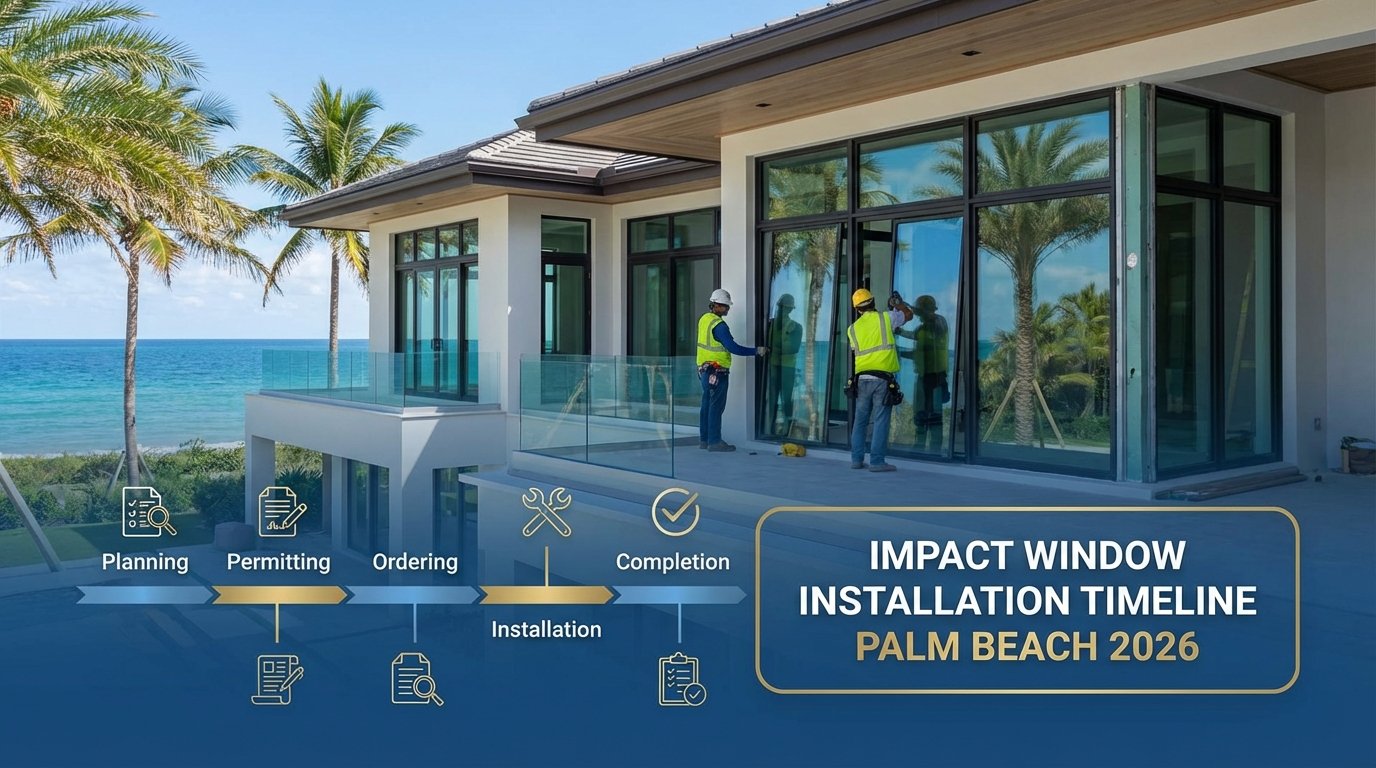
Understanding realistic timelines helps homeowners plan accordingly and reduces frustration. From initial consultation to final inspection, complete impact door installation projects typically span six to ten weeks, depending on product availability, permit processing times, and project scope.
Single entry door installations may be completed in one day, while whole-house projects involving multiple impact doors and custom impact glass garage doors require several days of active installation work. Weather delays occasionally extend timelines during South Florida’s rainy season, as proper sealing requires dry conditions.
Hurricane season creates increased demand for impact door installation, potentially extending lead times. Proactive homeowners schedule projects during winter months when contractor availability is better and permit processing faster.
Cost Considerations
Impact door installation costs vary based on opening sizes, product selections, structural modifications required, and labor complexity. Entry doors typically range from moderate to significant investment depending on size and features, while custom impact glass garage doors represent premium investments reflecting their specialized engineering and aesthetic value.
Quality installations cost more initially but provide better long-term value through reliable performance, reduced maintenance, and full warranty protection. Attempting to minimize costs by choosing inexperienced installers or inferior products often leads to premature failures, costly repairs, and potential safety hazards during storms.
Insurance premium savings offset installation costs over time. Most South Florida homeowners receive immediate annual savings ranging from hundreds to thousands of dollars depending on coverage levels and property values. These savings continue year after year, making impact door installation a financially sound decision beyond the obvious safety benefits.
Protecting Your Investment
Professional impact door installation provides peace of mind that your family and property have maximum protection against South Florida’s hurricane threats. Working with experienced, licensed contractors ensures installations meet stringent building codes while preserving manufacturer warranties and qualifying for insurance discounts.
Military family-owned businesses serving Palm Beach, Broward, Collier, Martin, Lee, and Charlotte counties bring dedication to quality and service that protects your most valuable asset—your home. Partnerships with industry-leading manufacturers ensure access to premium products backed by comprehensive warranties and proven performance records.
Don’t wait until hurricane warnings prompt emergency preparations. Contact qualified impact door installation contractors today to schedule your consultation and begin the process of securing your South Florida home with professionally installed hurricane protection that performs when it matters most.