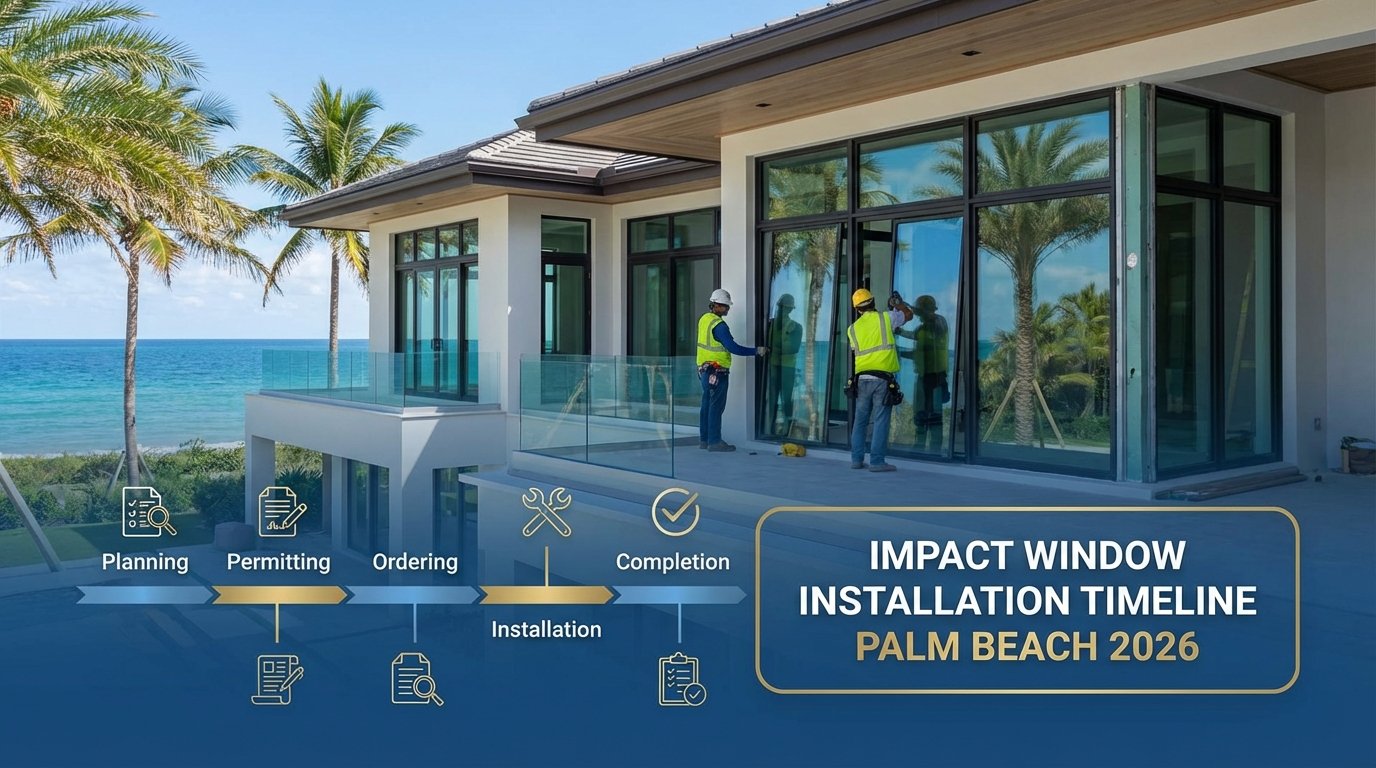
Understanding the impact window installation process helps South Florida homeowners make informed decisions about protecting their homes and families. Professional installation requires precision, adherence to Florida Building Code, and specialized expertise that ensures your investment performs as intended during hurricane season and beyond.
This comprehensive guide walks through each phase of the professional impact window installation process, from initial assessment to final inspection, helping you know exactly what to expect when upgrading your hurricane protection.
Pre-Installation Assessment and Measurement

The impact window installation process begins weeks before any physical work starts. A certified installer visits your property to conduct a thorough assessment of your existing openings, structural conditions, and specific protection needs.
During this phase, precise measurements are critical. Unlike standard window replacements where minor measurement errors might be forgiven, impact window installation demands accuracy within fractions of an inch. The installer examines wall thickness, frame conditions, and structural integrity around each opening. They document the type of wall construction—concrete block, wood frame, or stucco—as this determines anchor specifications and installation methodology.
For homes in Palm Beach and Broward County built before the modern Florida Building Code, the assessment may reveal necessary structural reinforcements. Older homes sometimes require additional framing support or anchor points to meet current wind load requirements. These findings directly influence project scope, timeline, and material specifications.
Product Selection Guidance
Based on assessment findings, your contractor discusses product options from manufacturers like PGT, CGI, ES Windows, and Hurricane Master. Each manufacturer offers different glass thicknesses, frame profiles, colors, and performance ratings. The right choice depends on your home’s architectural style, exposure to wind-driven debris, energy efficiency goals, and budget considerations.
Impact windows come in various configurations—single-hung, horizontal rollers, casement, fixed, and architectural shapes. The installation process varies slightly depending on window type, but the fundamental principles of proper anchoring and weatherproofing remain constant.
Permitting and Code Compliance
Professional impact window installation in South Florida requires building permits. A Florida Certified General Contractor handles this process, submitting detailed plans showing product specifications, installation details, and engineered drawings when necessary.
The permit process typically takes one to three weeks, depending on the municipality. Palm Beach County, Broward County, and Southwest Florida jurisdictions each have specific requirements, though all follow the Florida Building Code as the baseline. Your contractor coordinates with local building departments, ensuring all documentation meets current standards.
This step protects homeowners in multiple ways. Permitted work ensures proper installation techniques, provides documentation for insurance companies, and maintains compliance that affects future property transactions. Skipping permits to save time or money creates significant liability and can void product warranties.
Pre-Installation Preparation
Once permits are approved and products manufactured to exact specifications, preparation work begins. The installation team protects interior flooring and furnishings near work areas. Exterior landscaping, shutters, and decorative elements around windows are temporarily removed or protected.
For occupied homes, the team coordinates access requirements and discusses the installation schedule. Most impact window installations proceed one opening at a time, minimizing the period any opening remains exposed. This approach is particularly important during hurricane season when weather conditions can change rapidly.
Removing Existing Windows
The physical installation process starts with carefully removing existing windows or hurricane shutters. The removal method depends on the existing installation—some windows are set in frames that can be removed intact, while others require cutting and demolition.
During removal, installers inspect the rough opening for damage, rot, or structural issues. Any problems discovered at this stage must be addressed before proceeding. Water damage around window openings is common in South Florida’s humid climate, especially in homes with older, poorly sealed windows.
The opening is cleaned, measured again to verify fit, and prepared for the new impact window. This preparation includes ensuring the opening is square, level, and properly sized. Even small deviations from square can create installation challenges and compromise performance.
Installing Impact Windows
Professional impact window installation follows manufacturer specifications and Florida Building Code requirements precisely. The process varies slightly based on wall construction type and product specifics, but generally includes these critical steps:
Setting and Anchoring
The impact window unit is carefully positioned in the opening, ensuring proper alignment vertically and horizontally. Installers use shims to achieve perfect positioning before any permanent fastening begins. This step requires patience and precision—rushing leads to problems.
Anchor selection and placement are crucial. Florida Building Code specifies anchor types, spacing, and embedment depths based on wind zone, opening size, and wall construction. In concrete block walls common throughout South Florida, anchors must penetrate into solid material at specified intervals around the entire perimeter.
For a standard double-hung window, this typically means anchors every 12 to 18 inches around the frame. Larger openings like picture windows or sliding glass doors require more robust anchoring schedules. The installer verifies each anchor meets torque specifications using calibrated tools.
Sealing and Weatherproofing
After secure anchoring, comprehensive weatherproofing begins. This step is equally important as structural anchoring for long-term performance. South Florida’s driving rains during hurricanes can exploit even tiny gaps, causing water intrusion and damage.
Professional installers apply sealant in specific sequences. First, the gap between the window frame and rough opening receives backing rod and sealant. Then exterior sealant joints are tooled smooth to shed water properly. Interior gaps are sealed to control air infiltration and improve energy efficiency.
The sealant must be compatible with impact window materials and rated for South Florida’s UV exposure and temperature ranges. Inferior sealants break down quickly, compromising both weatherproofing and structural integrity.
Final Adjustments and Testing
Once sealed, operable windows are tested multiple times. Locks must engage properly, sashes must operate smoothly, and all hardware must function correctly. The installer checks that drainage weep holes are clear and properly positioned.
For homes in areas like coastal Palm Beach or Broward County where wind-driven rain is particularly severe, installers may perform water testing, spraying the installation to verify no leaks exist before considering the work complete.
Impact Door and Garage Door Considerations
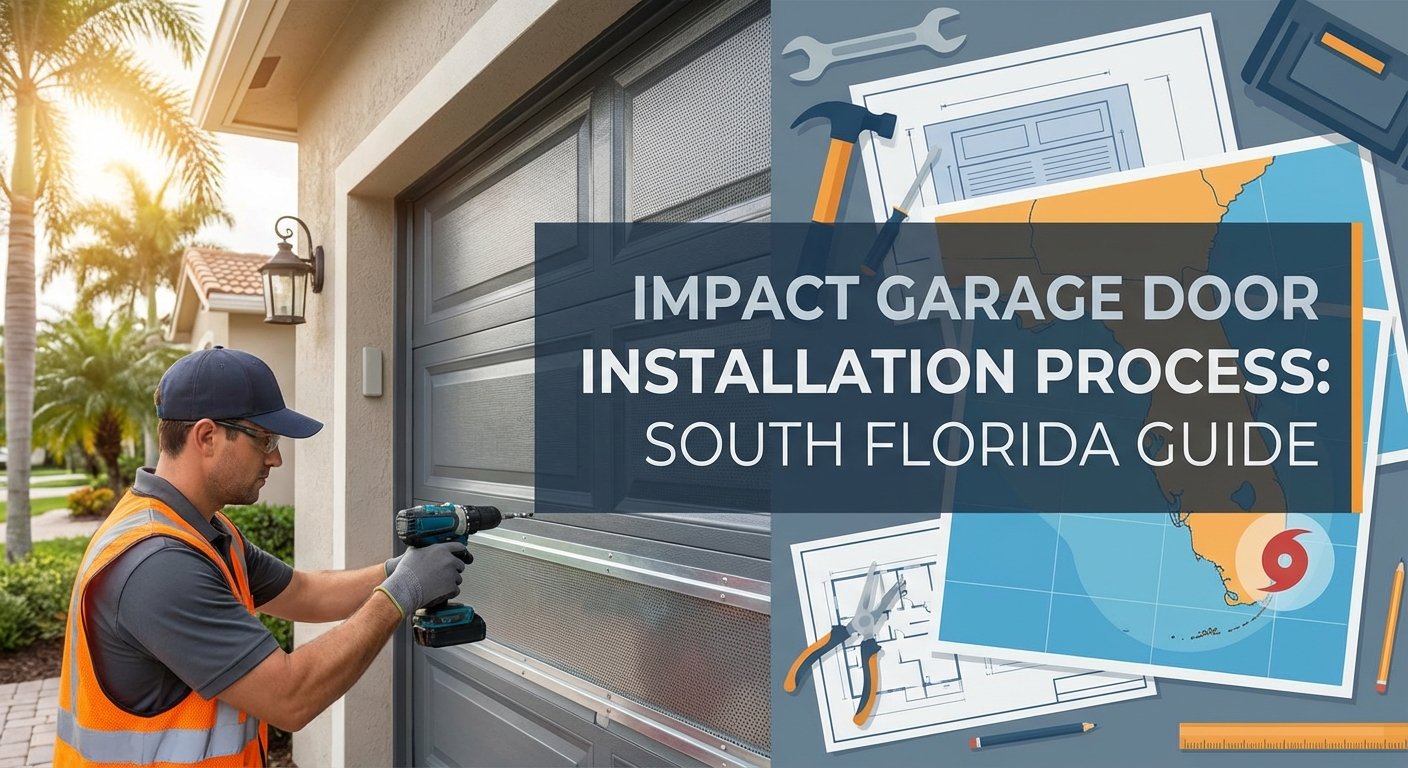
While this guide focuses primarily on windows, the impact window installation process shares many similarities with impact door and garage door installations. Impact entry doors from manufacturers like Therma-Tru require similar precision in measurement, anchoring, and weatherproofing.
Garage door installations, whether traditional overhead doors from Amarr or Clopay, or custom impact glass garage doors, follow comparable principles. These larger openings face significant wind loads and require engineered solutions. Custom impact glass garage doors combine hurricane protection with natural light and architectural appeal, making them increasingly popular in upscale South Florida homes.
Impact door installation demands particular attention to threshold details and lock reinforcement. The door and frame must function as an integrated system, tested and certified together for impact resistance and wind load performance.
Interior and Exterior Finishing
After the impact window is secured, sealed, and tested, finish work begins. Interior trim is installed or reinstalled around the window. Any drywall repairs from the installation are completed, textured to match existing surfaces, and primed for painting.
Exterior finishing depends on your home’s construction. Stucco homes require patching and texturing around the new window, followed by painting to match. On homes with other exterior finishes, appropriate trim and flashing are installed to create weather-tight transitions.
This finishing work affects both appearance and performance. Poor exterior finishing can create water intrusion paths that bypass even perfectly installed impact windows. Professional installers understand these details and complete finishing work that protects your investment.
Inspection and Certification
Once installation is complete, the building department schedules an inspection. The inspector verifies that the installation matches permitted plans, anchoring meets code requirements, and all aspects comply with Florida Building Code.
The inspector checks anchor types, spacing, and installation quality. They verify proper product labeling showing Miami-Dade County or Florida Building Code approval. They may test window operation and examine weatherproofing details.
After passing inspection, you receive documentation certifying code-compliant installation. This documentation is essential for insurance purposes, often qualifying you for premium reductions. It also provides valuable documentation for future property sales.
Post-Installation Care and Warranty Activation
The professional impact window installation process concludes with homeowner education and warranty registration. Your installer explains proper operation, maintenance requirements, and cleaning recommendations for your new impact windows.
Understanding how to operate and maintain impact windows extends their lifespan and ensures optimal performance. Simple practices like regular cleaning of tracks and lubrication of moving parts prevent common problems.
Warranty registration activates manufacturer coverage, typically including glass warranties of 10 years to lifetime and frame warranties of similar duration. Professional installation by certified contractors is often required to maintain warranty validity.
Why Professional Installation Matters
The complexity of proper impact window installation explains why professional expertise is essential. Each step requires specialized knowledge, from understanding structural load paths to selecting appropriate sealants for South Florida conditions.
Improper installation compromises safety during hurricanes, voids warranties, and creates maintenance problems. A window that pulls out during a storm or fails water testing hasn’t provided the protection you paid for. Working with experienced contractors who understand both the technical requirements and real-world conditions throughout Palm Beach, Broward, and Southwest Florida ensures your impact window installation process delivers lasting protection and value.
Military family-owned businesses often bring additional attention to detail and commitment to quality workmanship. This dedication to excellence matters when your family’s safety depends on proper installation during hurricane season.
Protect Your Home with Professional Installation
Understanding the impact window installation process helps you recognize quality workmanship and choose contractors who prioritize proper technique over shortcuts. Every step—from initial measurement through final inspection—contributes to a hurricane protection system that performs when you need it most.
If you’re considering impact windows, doors, or garage doors for your South Florida home, contact experienced professionals who understand both Florida Building Code requirements and the real-world demands of our hurricane-prone region. Schedule a comprehensive assessment to learn how professional installation can enhance your home’s protection, energy efficiency, and value while providing peace of mind throughout hurricane season and beyond.