Broward County homeowners planning impact window installations in 2026 face significant new requirements under updated Florida Building Code standards. These changes, which took effect in late 2025, directly affect project timelines, costs, and compliance requirements for anyone upgrading their hurricane protection this year.
Understanding these code updates before starting your project isn’t just about compliance—it’s about ensuring your investment meets current standards, qualifies for insurance discounts, and provides the protection your family needs when the next major storm approaches South Florida’s coast.
What Changed in the 2026 Florida Building Code
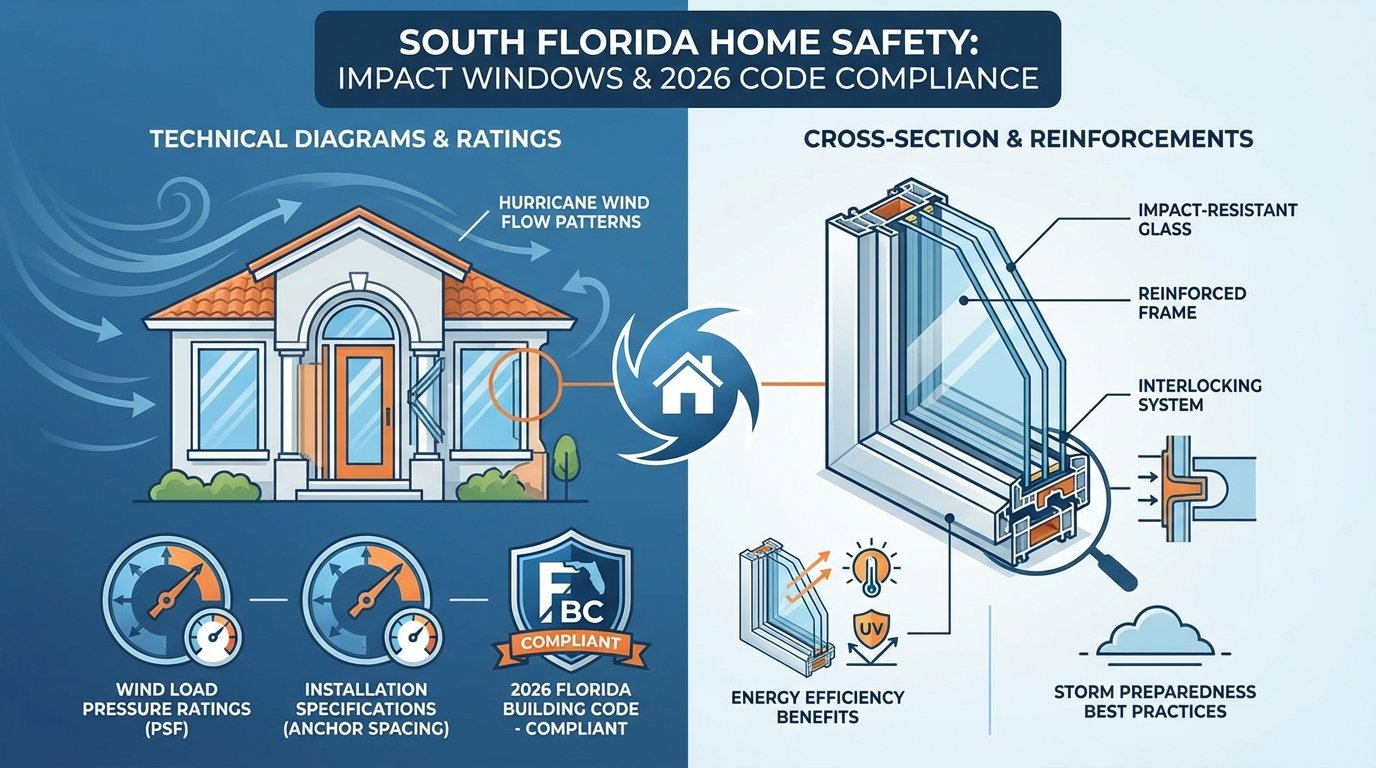
The 8th Edition of the Florida Building Code introduced substantial revisions affecting impact window installation in Broward County and throughout South Florida. These updates reflect lessons learned from recent hurricane seasons and advances in building science research.
Enhanced Wind Load Requirements
Wind speed design requirements increased in specific zones throughout Broward County. Coastal areas from Hollywood to Pompano Beach now require products rated for higher wind pressures. The updated wind maps reclassified numerous neighborhoods, meaning products that met code standards two years ago may no longer qualify for new installations today.
Professional impact window installation contractors must now calculate design pressures using the updated ASCE 7-22 standards, which factor in building height, exposure category, and site-specific wind conditions with greater precision than previous methodologies.
Stricter Installation Specifications
The 2026 code tightened installation requirements for impact-resistant windows and doors. Fastening schedules, flashing details, and structural opening reinforcement specifications all received updates. These changes ensure that even perfectly manufactured products perform as designed when installed according to current standards.
Impact window installation in Broward County now requires enhanced documentation, including third-party inspection at critical stages for certain applications. This protects homeowners by ensuring installations meet engineering specifications, but it also adds steps to the approval process.
Energy Code Integration
For the first time, the Florida Building Code fully integrates energy efficiency requirements with hurricane protection standards. Impact windows must now meet both wind resistance and thermal performance criteria. This dual requirement actually benefits homeowners—products meeting 2026 standards deliver superior energy savings compared to earlier impact-resistant installations.
Why These Updates Matter for Your Project
Many homeowners question whether code updates truly affect their specific situation. The answer is unequivocal: if you’re installing impact windows in 2026, these changes directly impact your project.
Permitting and Inspection Changes
Broward County building departments updated their permitting processes to reflect new code requirements. Applications now require additional documentation, including energy calculations and updated product approvals. Projects permitted under old standards cannot proceed—all new permits must comply with current code.
Hurricane window installation South Florida contractors familiar with 2026 requirements navigate this process efficiently, but homeowners working with outdated contractors may experience frustrating delays and rejected applications.
Product Approval Updates
Many impact window products approved under previous codes required re-testing and re-approval under 2026 standards. Leading manufacturers like PGT, CGI, and ES Windows updated their product lines and approval documentation, but some older product models no longer meet current requirements.
This affects homeowners planning to match existing windows during phased upgrades. Your contractor needs current product approval documentation—called NOAs or Product Approvals—that specifically reference 2026 Florida Building Code compliance.
Insurance Implications
Insurance carriers in Broward County adjusted their underwriting guidelines to reflect updated building codes. Properties receiving impact window installations under 2026 standards often qualify for enhanced discounts compared to grandfathered installations completed under older codes.
Some carriers now require certification that installations meet current code as a condition for maximum mitigation credits. This makes working with professional impact window installation contractors who understand documentation requirements essential for maximizing insurance savings.
What Homeowners Need to Know Before Starting
Successful impact window installation in Broward County requires careful planning, especially given 2026 code changes. Here’s what you need to address before work begins.
Verify Contractor Qualifications
Florida Building Code compliance starts with hiring properly licensed contractors. Look for Florida Certified General Contractors who maintain current licensure and demonstrate knowledge of 2026 code updates. Ask specific questions about their experience with recent Broward County projects.
Contractors should provide clear answers about wind load calculations, product selections meeting updated standards, and the current permitting process. Vague responses or outdated information signal potential problems ahead.
Understand Your Property’s Requirements
Code requirements vary based on your property’s location within Broward County. Homes in Coral Springs face different wind load requirements than oceanfront properties in Fort Lauderdale. Your contractor should conduct a site evaluation that accounts for:
- Specific wind zone classification under updated maps
- Building exposure category based on surrounding structures and terrain
- Opening sizes and structural considerations unique to your home
- Energy code compliance requirements for your climate zone
Budget for Code Compliance
Enhanced requirements often mean higher material and installation costs compared to previous standards. However, these increases typically represent single-digit percentage changes, not dramatic cost jumps. The improved performance, insurance savings, and energy efficiency usually offset the incremental investment within a few years.
Professional impact window installation contractors provide detailed estimates that account for current code requirements. Be cautious of quotes that seem substantially lower than competitors—they may not reflect compliant installations.
Beyond Windows: Complete Opening Protection
While impact windows receive most attention, 2026 code updates equally affect other building openings. Comprehensive hurricane protection requires addressing every vulnerable point in your home’s envelope.
Impact Doors and Entry Systems
Impact-rated entry doors from manufacturers like Therma-Tru must meet the same updated wind load and installation requirements as windows. The code specifically addresses door frame attachment, threshold design, and locking mechanisms.
Many Broward County homes feature large sliding glass doors and French door systems. These openings represent particular vulnerability during hurricanes, and 2026 standards include specific provisions ensuring these assemblies resist both wind pressure and impact from windborne debris.
Garage Door Considerations
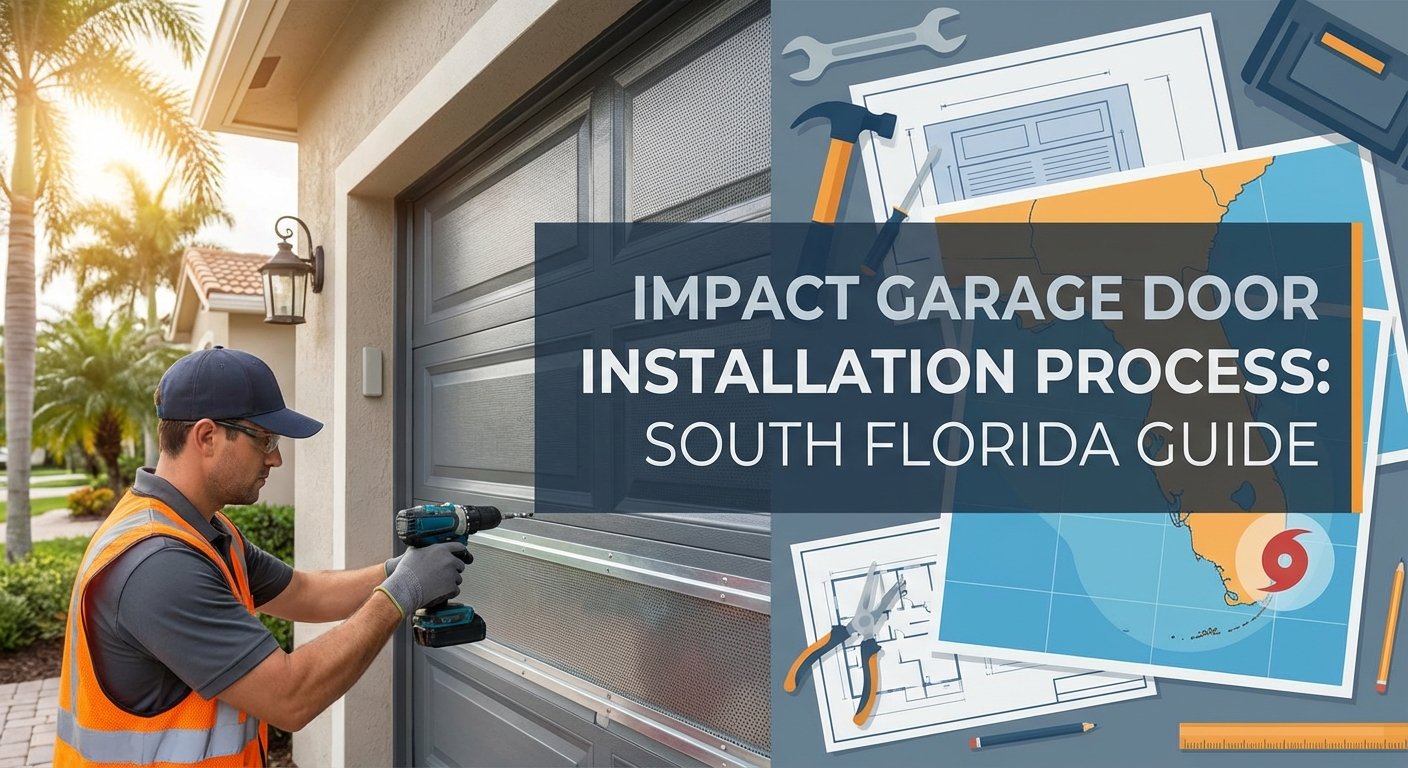
Garage doors represent the largest opening in most homes, yet many homeowners overlook them during hurricane protection upgrades. Standard garage doors fail at relatively low wind speeds, creating openings that can lead to catastrophic roof loss through internal pressurization.
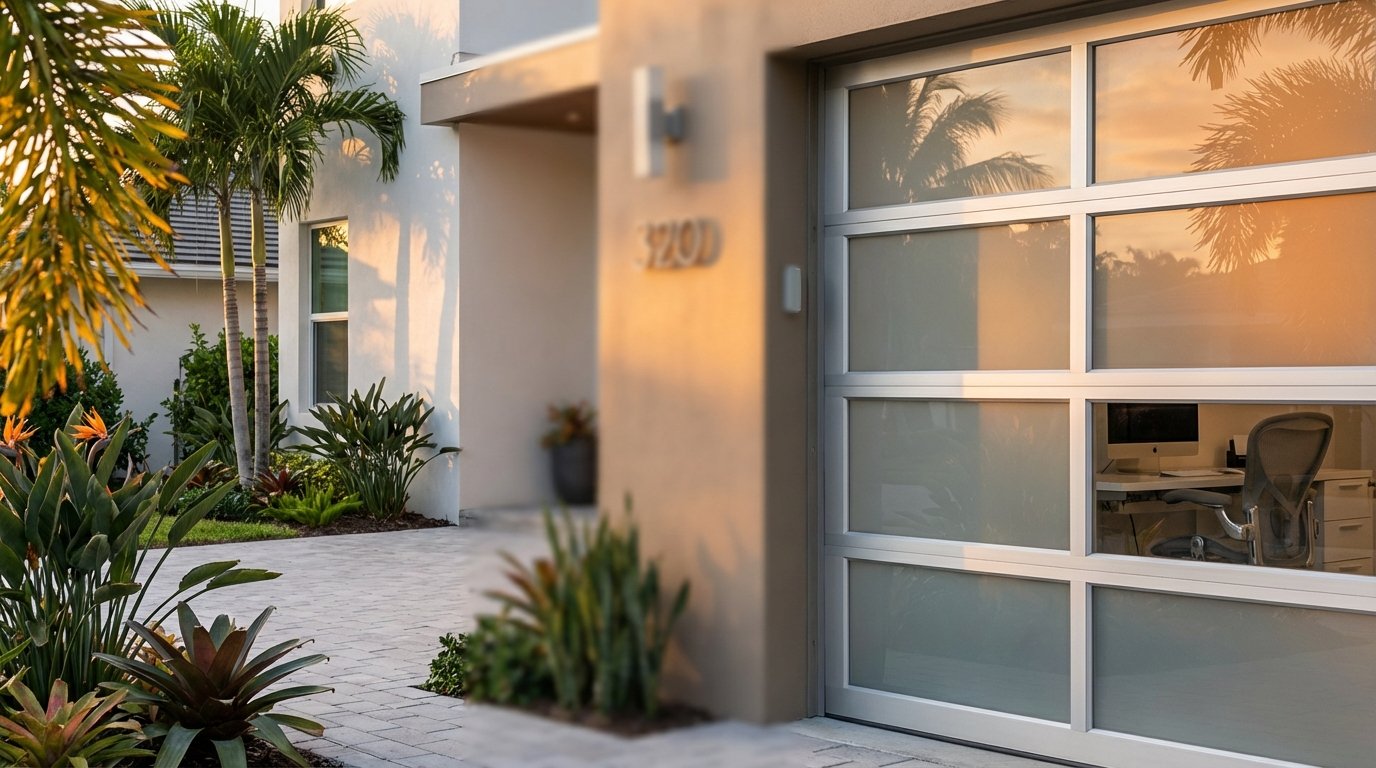
Impact-rated garage doors from manufacturers like Hurricane Master, Amarr, and Clopay now must meet enhanced wind load requirements in many Broward County locations. Custom impact glass garage doors provide both hurricane protection and aesthetic appeal, transforming garages into functional living spaces while maintaining code compliance.
The Installation Process Under Current Standards
Understanding what compliant installation involves helps homeowners evaluate contractors and anticipate project timelines.
Engineering and Permitting Phase
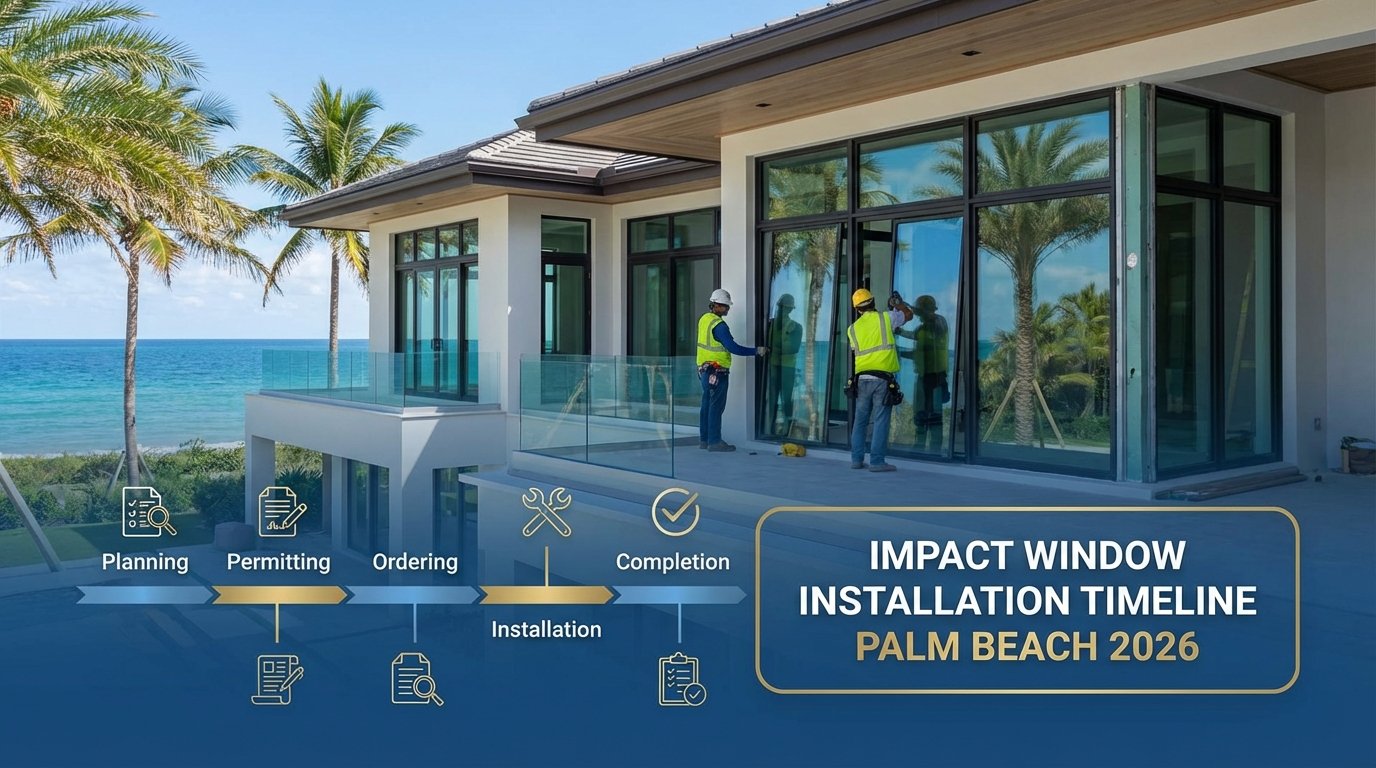
Professional impact window installation begins with engineering calculations specific to your property. Contractors submit detailed permit applications including product specifications, installation drawings, and structural attachments details to Broward County building departments.
Current processing times vary by municipality, but homeowners should anticipate 2-4 weeks for permit approval. Contractors who maintain strong relationships with local building departments often navigate this process more efficiently.
Installation and Inspection
Actual installation follows manufacturer specifications and code-required procedures. This includes proper structural attachment, weather sealing, and quality control measures. Certain projects require inspection at rough-in stages before installers can proceed to final assembly.
Final inspections verify code compliance before issuing certificates of completion. These certificates provide essential documentation for insurance discounts and future property transactions.
Working with Experienced Local Contractors
The complexity of 2026 building code requirements makes contractor selection more critical than ever. Impact window installation contractors serving Broward County should demonstrate specific qualifications.
Look for companies with established South Florida presence who’ve completed numerous projects under current standards. Military family-owned businesses often bring particular attention to detail and service commitment that benefits homeowners navigating complex upgrades.
Partnerships with industry-leading manufacturers like PGT, CGI, and ES Windows indicate contractor credibility and access to products meeting latest requirements. These relationships ensure product availability and manufacturer support throughout your project.
Long-Term Value of Code-Compliant Installation
Investing in impact window installation that exceeds minimum requirements delivers benefits extending well beyond hurricane season. Properties with documented code-compliant installations command premium values in Broward County’s real estate market.
Energy efficiency improvements reduce cooling costs year-round in South Florida’s climate. Noise reduction enhances quality of life in urban areas throughout Fort Lauderdale, Pembroke Pines, and other Broward communities. Enhanced security provides peace of mind beyond storm protection.
Insurance savings accumulate annually, with many Broward County homeowners reporting 20-30% reductions in wind mitigation-related premiums after completing comprehensive impact protection upgrades under current building codes.
Take Action Before Hurricane Season
With Atlantic hurricane season beginning June 1st, homeowners considering impact window installation in Broward County should initiate projects soon. Permitting timelines, product lead times, and contractor scheduling all factor into project completion dates.
Starting now provides adequate time for proper planning, code-compliant installation, and final inspections before peak storm season arrives. Waiting until named storms approach the forecast cone leaves families vulnerable and contractors overwhelmed with emergency requests.
Schedule consultations with qualified Florida Certified General Contractors who understand 2026 building code requirements. Ask detailed questions about their experience, product partnerships, and installation processes. Review their recent Broward County projects and verify current licensure.
Your family’s safety during the next major hurricane depends on decisions you make today. Code-compliant, professionally installed impact protection provides proven defense against South Florida’s most severe weather while delivering daily benefits through energy savings, noise reduction, and security enhancement.
Contact experienced impact window installation contractors serving Broward County to discuss your specific property requirements, understand how 2026 code updates affect your project, and develop a comprehensive hurricane protection plan that safeguards your home and family for decades to come.